
INSTITUTE FOR STANDARD AND QUALITY DEVELOPMENT STUDIES

SA 8000 Standard for Improving Working Conditions and Enhancing Social Management

SA 8000 is an international standard on social responsibility, focusing on ensuring workers’ rights and promoting a safe and fair working environment.

The SA 8000 standard is applied globally to all types of organizations, regardless of size, geographical location, or industrial sector.

Contact: +84 981 85 1111

Overview

SA 8000 is a social standard developed by Social Accountability International (SAI) to improve working conditions for employees in enterprises, farms, or offices. The standard establishes requirements for organizations regarding labor conditions and social management. It protects workers’ rights and sets out fundamental requirements, including basic labor rights, freedom of association, and the right to refuse labor, in order to achieve the following objectives:

  • Ensure safe and healthy working conditions to protect employees’ health and safety.
  • Eliminate child labor and forced labor: SA 8000 prohibits all forms of child labor under the legal working age and any use of forced or slave labor.
  • Prevent discrimination and harassment: The standard aims to eliminate all forms of unfair discrimination and prevent harassment in the workplace.
  • Promote social and environmental responsibility: SA 8000 encourages organizations to adopt positive approaches toward the community and the environment, contributing to sustainable development.

Core Principles of SA 8000

  • Compliance with labor laws: Organizations must comply with all applicable labor regulations in their areas of operation.
  • Protection of fundamental workers’ rights, including freedom of association, the right to refuse labor, and freedom from discrimination.
  • Child labor: Prohibition of employing children below the legal working age, ensuring their access to education and proper development.
  • Forced labor: Prohibition of all forms of forced or slave labor.
  • Occupational health and safety: Providing a safe and healthy working environment for all employees.
  • Freedom of association and labor contracts: Organizations must respect employees’ rights to association and contractual agreements without coercion or pressure.
  • Prohibition of unfair discrimination based on gender, religion, origin, or other factors.
  • Protection against hostility and harassment in the workplace.
  • Responsible engagement with community and environment: Ensuring organizational activities do not harm the environment or local communities.

Benefits of Implementing SA 8000

Implementing SA 8000 provides numerous benefits not only in terms of social and ethical values but also in business and financial performance:

  • Helps organizations build and maintain a positive image within the community and among stakeholders, enhancing credibility and trust from customers, partners, and employees.
  • Compliance with SA 8000 helps organizations avoid legal and financial risks, including fines, penalties, and losses due to violations of labor condition regulations.
  • Enhances employee performance and satisfaction: A safe, fair, and ethical working environment improves productivity, engagement, and job satisfaction.
  • Promotes sustainable development: Encourages positive engagement with community and environment.
  • Creates competitive advantages, attracting partners, customers, and investors who prioritize social and environmental issues.
  • Improves the ability to attract and retain talent by providing a positive and fair workplace.

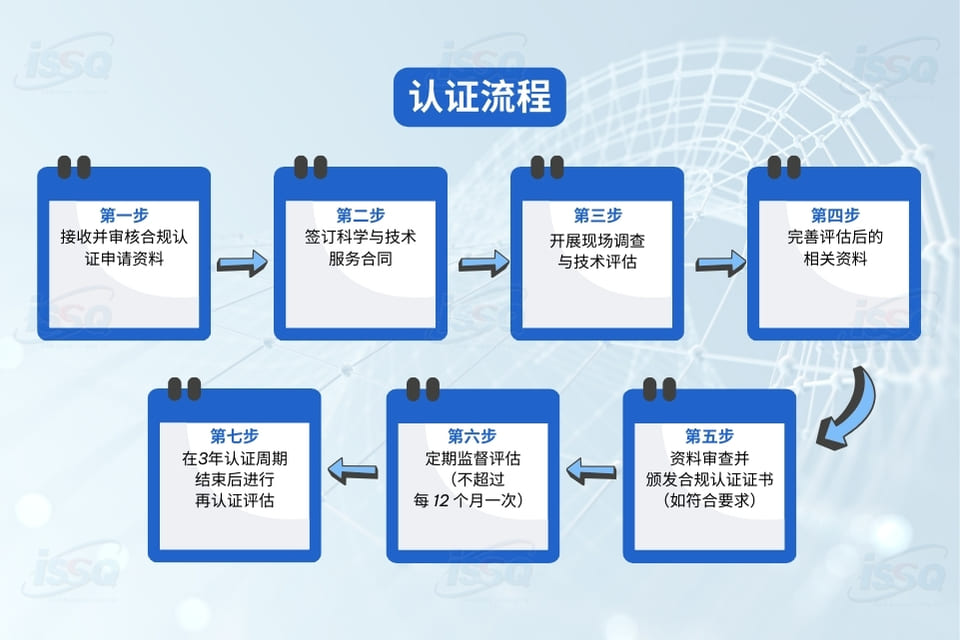
SA 8000 Certification Process

ISSQ Quality Institute is a certification body that has increasingly gained customer trust. ISSQ not only has the competence to certify the SA 8000 Social Accountability System but also provides certification for ISO management systems and various products. The certification process typically includes the following steps:

  1. Receiving the certification application dossier
  2. Signing a scientific and technological service contract
  3. Conducting on-site surveys and assessments at the enterprise
  4. Completing documentation after assessment
  5. Reviewing documentation and issuing the certificate (if standard requirements are met)
  6. Conducting surveillance audits every 12 months
  7. Performing recertification audit (certificate validity: 3 years)

We hope this article has provided useful and necessary information for readers.

ISSQ Quality Institute is always ready to accompany companies in the period of integration and development.

Please contact hotline: (+84) 981851111 or email vienchatluong@issq.org.vn | tcvn@issq.org.vn. We are honored to serve our valued customers.

Posted on: 04/04/2024

zalo