
INSTITUTE FOR STANDARD AND QUALITY DEVELOPMENT STUDIES


12/05/2026
In recent years, food safety has become a major concern for consumers. Today, people are not only paying attention to taste or price, but are also increasingly concerned about ingredient origins, production processes, and product safety before making purchasing decisions.
This shift in consumer behavior is also placing higher demands on businesses to control quality and build customer trust through professional food safety management systems.
Join ISSQ Quality Institute in exploring why food safety is becoming increasingly important to consumers and what businesses need to do to respond to this trend.
Food Safety refers to ensuring that food does not negatively affect consumers’ health throughout the processes of production, processing, storage, transportation, and consumption.
A product is considered food-safe when:
Food safety not only directly affects consumers’ health but is also closely related to a company’s reputation, brand image, and sustainable development. Even a small food-related incident can reduce customer trust and significantly impact business operations.
Currently, many businesses are implementing management systems such as ISO 22000 or HACCP to control risks and improve food safety management efficiency throughout the entire production and supply chain.

In recent years, food safety has become one of the most important factors consumers consider when choosing products. Consumers today are not only focused on taste or pricing but also prioritize products with transparent origins, clear manufacturing processes, and guaranteed safety for health.
This change is driven by various factors and simultaneously creates increasingly high requirements for businesses in the food industry.
Cases involving contaminated food, counterfeit products, ingredients of unclear origin, or excessive food additives have made consumers more cautious when selecting products.
The “eat clean – live healthy” trend is becoming increasingly popular, especially among families with children, elderly people, and individuals concerned about long-term health.
Information regarding food safety incidents now spreads very quickly, allowing consumers to easily update information, evaluate products, and change purchasing decisions.
Many consumers today tend to place greater trust in products managed under standard systems such as ISO 22000 or HACCP to ensure food quality and safety.
It can be seen that food safety is no longer merely a concern of regulatory authorities or businesses but has become an important factor influencing consumer purchasing decisions. This is also why many businesses are paying greater attention to building systematic and transparent food safety management systems.
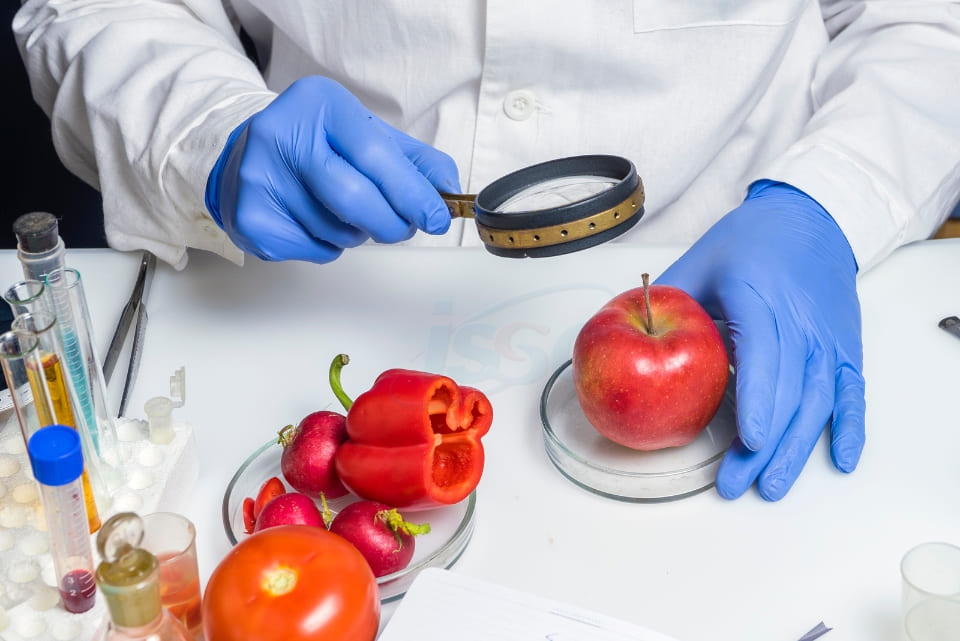
In response to changing consumer behavior, many businesses are paying greater attention to quality control and building systematic food safety management procedures. This not only helps improve customer trust but also contributes to minimizing risks during production and business operations.
To meet the increasingly high demands of the market, businesses can focus on the following areas:
Raw materials directly affect product quality and safety. Businesses should prioritize reputable suppliers and clearly control ingredient origins.
Standardizing production processes helps minimize the risks of cross-contamination, processing errors, and food safety hazards.
Personnel are one of the core values in maintaining product quality. Businesses should regularly train employees and improve awareness regarding hygiene and food safety.
Food products must be stored and transported under proper temperature, humidity, and hygiene conditions to minimize impacts on product quality before reaching consumers.
Consumers today tend to prioritize products with clear information regarding ingredients, origin, expiration date, and manufacturer details.
Many businesses are currently implementing systems such as ISO 22000 or HACCP to control food safety risks throughout the production, storage, and distribution processes.
As consumers become increasingly concerned about food quality and safety, investing in professional management systems not only helps businesses improve their reputation but also creates competitive advantages and supports sustainable development in the marketplace.
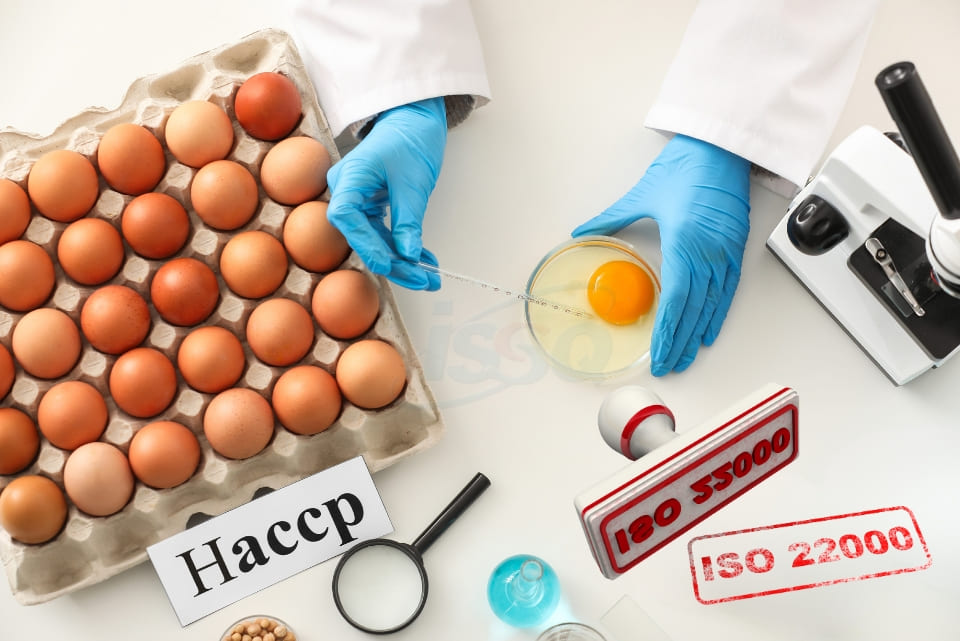
As food safety requirements continue to increase, many businesses are proactively implementing management systems such as ISO 22000 and HACCP to control risks and improve product quality.
These food safety management systems are widely applied across many sectors, including: food manufacturing; beverages; restaurants; industrial kitchens; agricultural products and seafood; cold storage and food logistics; food-contact packaging; and more.
Implementing ISO 22000 and HACCP provides many benefits for businesses, including:
Currently, many businesses choose to combine both ISO 22000 and HACCP to build a more comprehensive food safety management system while better meeting customer requirements and modern consumption trends.
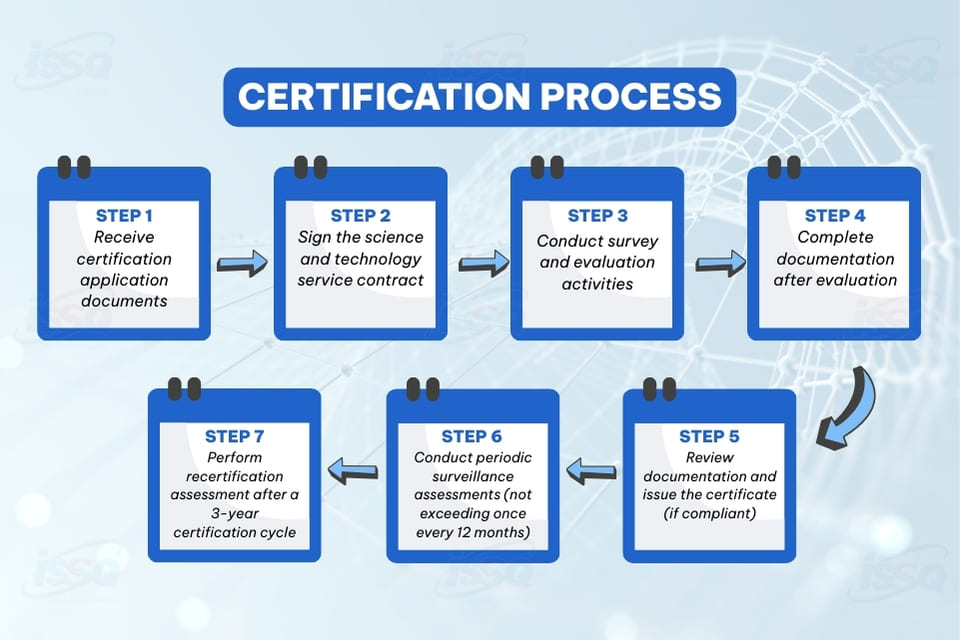
To support businesses in effectively establishing and implementing food safety management systems, the ISO 22000 and HACCP certification process generally includes the following steps:
Step 1: Receive certification registration documents
Step 2: Sign the science and technology service contract
Step 3: Conduct surveys and assessments
Step 4: Complete documentation after assessment
Step 5: Review documentation and issue certification (if compliant)
Step 6: Conduct surveillance assessments at intervals not exceeding 12 months
Step 7: Conduct recertification assessment (certificate validity: 3 years)
As consumers become increasingly concerned about health and product quality, food safety has become an essential factor directly affecting a business’s reputation and competitiveness. Beyond meeting market demands, building a systematic food safety management system also helps businesses control risks, improve operational efficiency, and build trust with customers.
Currently, many businesses are choosing to implement ISO 22000 and HACCP as solutions to improve management capability and meet increasingly stringent food safety requirements.
If your company needs ISO 22000 and HACCP certification assessment services, please contact ISSQ Quality Institute via hotline: (+84) 981851111 or email: vienchatluong@issq.org.vn | tcvn@issq.org.vn for support.
Published Date: 08/05/2026


