
INSTITUTE FOR STANDARD AND QUALITY DEVELOPMENT STUDIES


19/10/2026
Paint is a widely used material in construction, interior decoration, furniture manufacturing, metal fabrication, and various other industrial sectors. Along with the rapid growth of the construction industry and the increasing demand for building completion, the paint market has become increasingly diverse in terms of types, functionality, origins, and price segments.
In addition to major brands, the market sees the participation of numerous manufacturers, importers, and distributors of varying scales. Intense competition regarding selling price, quality, and delivery schedules forces enterprises to continuously optimize costs. However, in their daily business operations, not all entities pay sufficient attention to regulatory requirements concerning quality management and chemical safety for paint products.
A particularly noteworthy issue is compliance with regulations on lead content limits in paint under QCVN 08:2020/BCT.
Lead is a heavy metal that can cause severe health effects when exposed to or absorbed by the human body at unsafe levels. Children are particularly vulnerable to lead exposure through contact with lead-painted surfaces, objects, or dust. Therefore, controlling lead content in paint is a vital matter for public health and consumer protection.

Reasons Why Enterprises Overlook Paint Conformity Certification
1. Lack of Full Awareness Regarding Legal Requirements
Some businesses assume that as long as a product possesses good quality, complete packaging information, or a supplier's test report, it is sufficient for market release. In reality, commercial quality and compliance with specialized regulatory management are two distinct matters. Enterprises need to accurately identify which technical regulation applies to their specific product and what formal procedures must be executed.
2. Mindset of Short-Term Cost Saving
Expenses related to sampling, laboratory testing, evaluation, and completing legal dossiers cause some enterprises to delay compliance. Particularly for small businesses or entities dealing in multiple product lines, the absence of a structured quality management plan often leads to a reactive mindset—only preparing legal dossiers when requested by partners or regulatory authorities.
However, if a product falls under mandatory regulation and the enterprise fails to comply, the subsequent costs incurred to rectify non-conformities can far exceed the initial compliance investment.
3. Confusion Between Testing and Conformity Certification
Laboratory testing is the activity of determining specific parameters of a product sample using appropriate test methods. On the other hand, conformity certification is the formal evaluation and confirmation that a product satisfies the corresponding technical regulation according to an applied evaluation scheme.
An isolated test report does not automatically replace a full conformity certification dossier, declaration of conformity, or associated regulatory procedures if required by law.
4. Complete Reliance on Supplier Documentation
For paint importers or distributors, receiving quality documentation from foreign manufacturers may provide a false sense of security. However, whether those documents actually satisfy Vietnamese technical regulations must be thoroughly examined based on product scope, evaluation criteria, testing methods, and the legal validity of the dossier.
5. Absence of a Specialized Department
Many enterprises allocate primary resources toward sales, dealership development, and market expansion, while monitoring technical regulations is not assigned to specific personnel. When regulations change or clients request supplemental legal documentation, enterprises easily find themselves in a passive position.
The reasons above demonstrate that overlooking conformity certification does not always stem from an intentional violation. In many cases, the issue arises from a lack of information, procedural confusion, or an underestimation of legal and commercial risks.
QCVN 08:2020/BCT is the National Technical Regulation on the Limit of Lead Content in Paint, promulgated under Circular No. 51/2020/TT-BCT on December 21, 2020, by the Minister of Industry and Trade.
The standard sets out technical parameters concerning maximum lead limits in regulated paint products in order to control lead-related hazards and contribute to user health protection.
The promulgation of the regulation aims to achieve the following key objectives:
Control lead content in paint according to specified technical limits.
Mitigate lead exposure risks from paint products under regulatory management.
Strengthen enterprise accountability in ensuring product quality and safety.
Provide a standardized foundation for regulatory agencies, conformity assessment bodies, and enterprises to carry out inspection and control activities.
Lead can occur in certain ingredients or raw materials used in paint production. If not controlled from raw inputs to finished products, items run the risk of exceeding permissible lead limits.
According to QCVN 08:2020/BCT, the maximum allowable total lead limit for regulated paints is not exceeding 600 mg/kg.
Enterprises must review the regulatory text as well as any relevant amendments, supplements, or official guidance active at the time of execution to determine the precise requirements for each product.
It is important to note that businesses should not rely solely on commercial names—such as water-based paint, oil-based paint, industrial paint, or decorative paint—to determine whether a product falls within the regulatory scope. Scope determination must be based on product category, intended use, chemical composition, technical characteristics, and active regulations.
Paint conformity certification is the assessment and formal verification that a product meets the requirements of the corresponding technical regulation.
For products within the scope of QCVN 08:2020/BCT, enterprises must identify the conformity assessment requirements, the applicable certification or testing scheme, as well as the obligation for declaring conformity and related administrative procedures.
Enterprises should not assume that all paint types on the market follow an identical procedure. Correctly identifying the product category and required procedures is the essential first step to avoiding unnecessary expenses or missing mandatory obligations.
Entities that must pay close attention to this technical regulation include organizations and individuals manufacturing, importing, or trading paint products within the regulated scope.
Domestic Paint Manufacturers:
Manufacturers must control the quality of raw materials, formulation processes, additive sources, and finished product parameters. Evaluating lead content helps manufacturers determine technical compliance while supporting the establishment of a stable quality control system.
Paint Importers:
Importers need to review product dossiers, manufacturer details, chemical formulations, technical specifications, and associated test results. Certificates or documents issued overseas do not automatically satisfy statutory obligations under Vietnamese law.
Prior to importation or market release, importers should clearly define requirements regarding quality inspection, certification, declaration of conformity, and corresponding customs or specialized regulatory files for each shipment.
Paint Distributors and Retailers:
Distributors should select suppliers with transparent product dossiers, verify document compliance, and determine their legal liabilities based on their role in the supply chain.
Not every retail store or distributor is automatically required to hold certification under its own name for all products. Specific duties must be determined according to current regulations, business models, and the legal status of the entity introducing the product to the market.
Paint Suppliers for Construction Projects:
Contractors, material suppliers, and bidding entities may need to fulfill technical quality dossier requirements set by project investors or procurement tenders.
Even when legal regulations do not impose the exact same obligations on every actor in the supply chain, possessing complete technical documentation provides a distinct competitive advantage when dealing with professional clients.
Recommendation: Prior to executing certification, enterprises should conduct a comprehensive audit of their actual product portfolio, identify items subject to QCVN 08:2020/BCT, and verify current legal obligations. This prevents two common pitfalls: missing mandatory products or undertaking unnecessary procedures.
Properly fulfilling lead content regulations in paint is not merely a statutory mandate—it also delivers substantial practical benefits to enterprises:
4.1. Mitigating Legal Risks:
Accurately defining legal duties and completing required documentation allows enterprises to remain proactive during market quality inspections by government authorities. It also provides a baseline for early detection and correction of non-conformities.
Note: Possessing a conformity certificate does not grant immunity from all inspections, audits, or other legal obligations.
4.2. Elevating Brand Reputation:
In a competitive market, customers increasingly prioritize product origin, quality, and safety. A complete conformity dossier serves as key proof of corporate responsibility toward consumers. Effective lead management builds a transparent, professional brand image aligned with public health.
4.3. Expanding B2B Partnerships:
General contractors, project developers, distribution networks, and corporate buyers regularly demand complete technical dossiers prior to vendor selection. Having documentation prepared in advance shortens review timelines, avoids repeated document requests, and facilitates vendor qualification assessments.
4.4. End-to-End Quality Management:
Testing and evaluation processes offer clear visibility into critical control points along the manufacturing chain. Enterprises can scrutinize raw material suppliers, mixing procedures, sample retention, and routine testing protocols. This minimizes the risk of off-spec products, reduces losses from product rejections, and enhances quality stability.
4.5. Demonstrating Public Health Responsibility:
Paint is applied across vast surface areas in living and working environments. Controlling lead in paint directly reduces unnecessary exposure risks, particularly for vulnerable demographics such as children. Investing in product compliance is both a sound commercial decision and a commitment to corporate social responsibility (CSR).
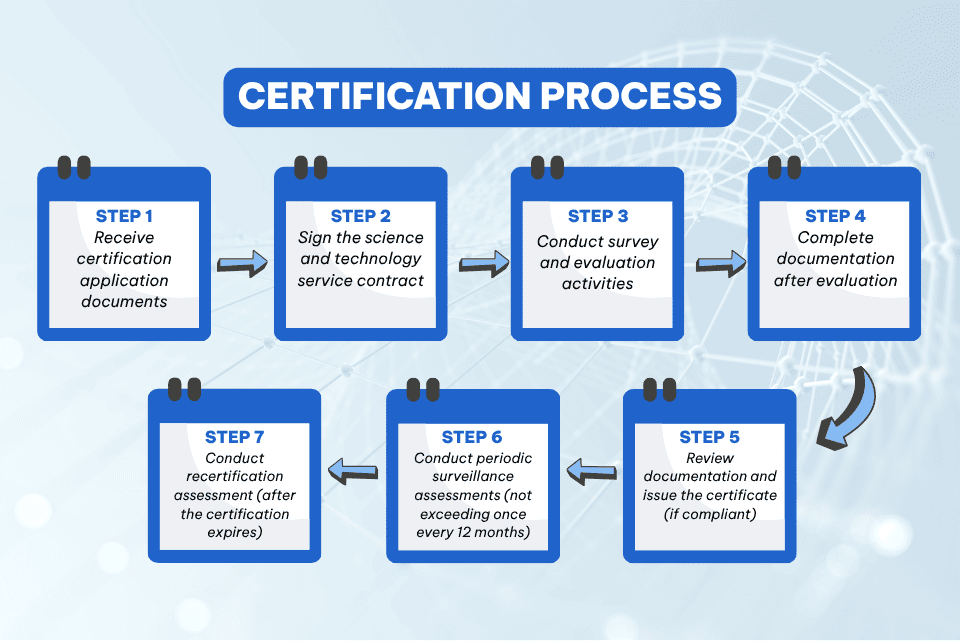
The tendency of many enterprises to overlook paint conformity certification under QCVN 08:2020/BCT often stems from a lack of information, confusion between testing and certification, short-term cost-saving mindsets, or the absence of a clear compliance management process.
However, for products within the regulatory scope, enterprises must proactively identify and fulfill all obligations under current laws. Controlling lead content in paint safeguards public health while helping businesses raise product standards, strengthen partner trust, and minimize commercial risks.
ISSQ Quality Institute stands ready to assist enterprises in auditing conformity assessment needs, guiding dossier preparation, and navigating procedural steps under QCVN 08:2020/BCT. Businesses are encouraged to discuss their specific paint lines, product origins, and operational scopes to receive tailored guidance matching actual requirements.
If your company requires evaluation and certification under QCVN 08:2020/BCT, please contact ISSQ Quality Institute via hotline +84 981851111 or email vienchatluong@issq.org.vn | tcvn@issq.org.vn for procedural support.


