
INSTITUTE FOR STANDARD AND QUALITY DEVELOPMENT STUDIES


09/11/2026
In the context of the increasingly developing electrical and electronic equipment market, the demand for household electrical appliances has become an integral part of people's daily lives, as well as production and business activities. From washing machines, refrigerators and air conditioners to hair dryers, blenders, microwave ovens and induction cookers, these appliances contribute to improving quality of life and promoting modernization.
However, the rapid increase in the quantity and variety of electrical and electronic equipment has also placed increasingly stringent requirements on quality management, electromagnetic interference control and safety assurance during use. Electrical equipment must not only meet functional and durability requirements but also limit electromagnetic emissions to within permissible levels, preventing interference with the operation of other devices in the same environment.
In response to these requirements, QCVN 9:2012/BKHCN conformity certification has become an important matter for businesses involved in the manufacture, import and trading of electrical and electronic equipment. This is not merely an assessment of conformity with national technical regulations, but also a solution that helps businesses control product quality, enhance brand reputation and strengthen consumer confidence.
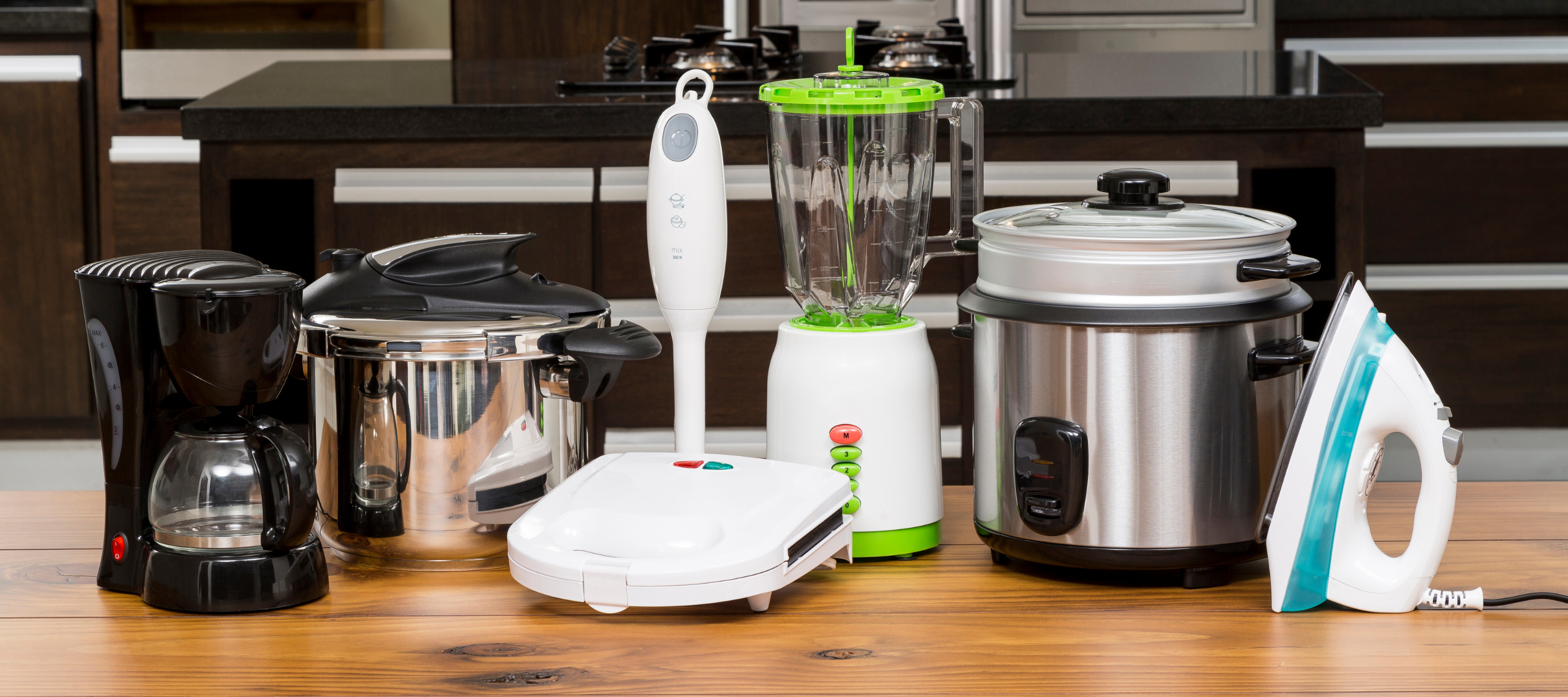
In recent years, Vietnam's household electrical and electronic equipment market has experienced strong growth, driven by rapid urbanization, improving household incomes and the increasingly widespread adoption of technology in everyday life.
Consumers are becoming more interested in smart, energy-efficient devices with multiple integrated functions and the ability to connect to smart home ecosystems. This trend encourages businesses to continuously research and improve technologies, expand their product portfolios and increase imports from various international markets.
Alongside these development opportunities, the market also faces considerable challenges. The presence of numerous products with different origins, quality levels and degrees of completion makes the control of goods quality increasingly complex. In particular, equipment using electric motors, switching power supplies, electronic control circuits or heating technologies may generate electromagnetic interference during operation.
If not properly controlled, electromagnetic interference may affect the operation of other electrical and electronic devices, causing unstable operation or reduced performance under certain conditions.
In addition, household and commercial environments are increasingly equipped with a diverse range of devices, often used at high density. A washing machine, refrigerator or microwave oven does not operate independently but is typically used simultaneously with many other electronic devices.
Therefore, establishing and complying with Electromagnetic Compatibility (EMC) requirements is important for creating a safe, stable and efficient environment for the use of electrical equipment.
For businesses, conformity certification in accordance with the relevant national technical regulations is not only a regulatory requirement for products subject to mandatory certification but also demonstrates the responsibility of manufacturers and importers for the quality of goods placed on the market.
QCVN 9:2012/BKHCN is the National Technical Regulation on Electromagnetic Compatibility for Household and Similar Electrical and Electronic Equipment, issued by the Ministry of Science and Technology under Circular No. 11/2012/TT-BKHCN dated April 12, 2012.
The regulation establishes technical and management requirements regarding the limits of electromagnetic emissions from electrical and electronic equipment within its scope of application.
Notably, the regulation was amended and supplemented through Amendment 1:2018 to QCVN 9:2012/BKHCN, issued together with Circular No. 07/2018/TT-BKHCN. Therefore, when carrying out certification, businesses should ensure that they apply the regulation together with all relevant amendments and supplements, rather than referring only to the original version issued in 2012.
Electromagnetic Compatibility (EMC) refers to the ability of a device or system to operate satisfactorily in an electromagnetic environment without generating excessive electromagnetic interference that affects the normal operation of other devices.
Simply put, when multiple electrical and electronic devices operate in the same space, they must limit their electromagnetic emissions to within permissible limits to avoid interfering with one another.
For example, in an apartment where a washing machine, refrigerator, microwave oven, vacuum cleaner and various other electronic devices are used, controlling electromagnetic emissions helps maintain a stable operating environment for the entire system.
It should be noted that QCVN 9:2012/BKHCN focuses on electromagnetic emission limits. It does not specify the immunity of equipment to electromagnetic interference and does not replace regulations on electrical safety.
According to the regulation and its amendments and supplements, the following are among the groups of equipment covered by its scope:
Vacuum cleaners.
Washing machines.
Refrigerators and freezers.
Household air conditioners.
Hand-held motor-operated drills.
Instantaneous electric water heaters.
Self-ballasted lamps.
Hair dryers.
Blenders, fruit juicers, meat grinders and food mixers.
Microwave ovens, including combination microwave ovens.
Electric cookers, including induction cookers.
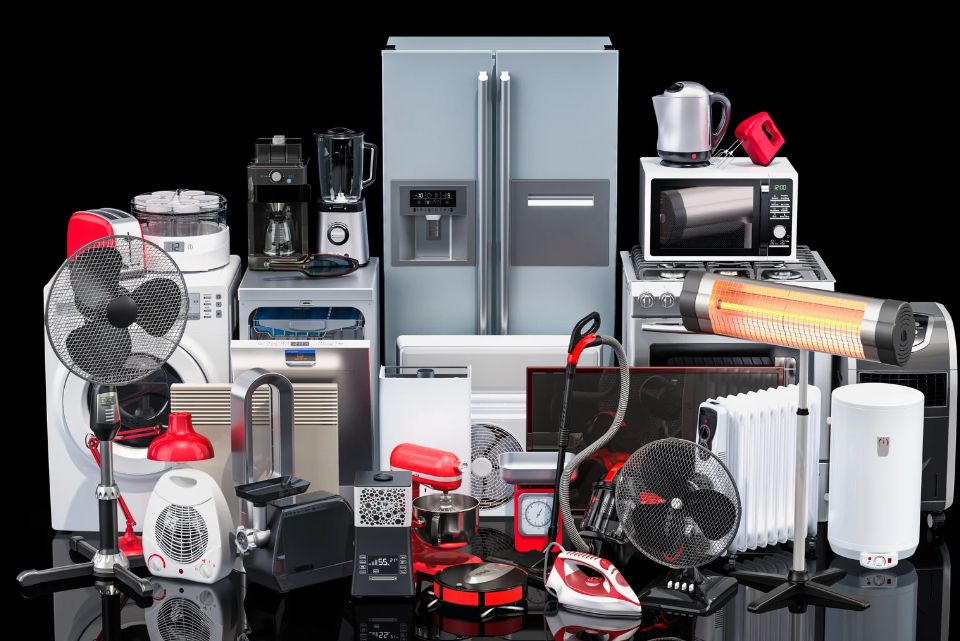
The list above includes representative product groups. Businesses should carefully review the product type, structure, intended use and scope of the regulation to determine whether their products are subject to mandatory certification.
QCVN 9:2012/BKHCN conformity certification is an assessment and confirmation process to verify that products falling within the scope of the regulation meet the relevant technical requirements for electromagnetic compatibility.
The assessment process generally includes receiving and reviewing documentation, identifying product characteristics, sampling (where necessary), testing electromagnetic emission indicators and reviewing the results before making a certification decision.
Under the regulation, products within its scope that are placed on the market must meet conformity certification requirements, bear the CR conformity mark and comply with relevant management procedures.
Businesses need to select a certification body with the appropriate authority and scope of operation, and complete the relevant conformity declaration, registration or quality inspection procedures in accordance with current regulations for each case of domestic production or importation.
This is one of the most practical and important benefits for businesses manufacturing, importing and trading electrical and electronic equipment within the scope of the regulation.
Obtaining conformity certification helps businesses meet state management requirements for product and goods quality, while minimizing risks arising from the lack of documentation demonstrating conformity with national technical regulations.
In particular, for importing businesses, proactively preparing documentation and conducting conformity assessments from the outset can facilitate the process of bringing goods to market, reducing the risk of warehousing costs, business delays or difficulties during quality inspections.
An electrical or electronic product that meets EMC requirements demonstrates that its electromagnetic emission levels have been assessed against the relevant technical limits.
Through testing activities, businesses gain an additional basis for evaluating circuit designs, components, power supplies and other parts that may generate electromagnetic interference.
This also provides businesses with an opportunity to identify areas requiring improvement during product research, manufacturing and development.
As a result, businesses can proactively improve technical quality and reduce the risk of affecting other devices in the operating environment.
As consumers become increasingly concerned about product origin, quality and transparency, certifications demonstrating conformity with national technical regulations are among the factors that help strengthen market confidence.
Conformity certification and the use of the CR mark in accordance with regulations demonstrate that businesses have conducted conformity assessment activities for products subject to regulatory management.
For distributors, agents and retail systems, complete certification documentation also serves as an important basis for considering whether to accept and distribute products.
Proactively complying with QCVN 9:2012/BKHCN helps businesses standardize their quality control processes and improve professionalism in manufacturing and business operations.
When products have complete certification documentation as required, businesses can more easily approach partners, distributors and customers with clearly defined quality control criteria.
In particular, for businesses pursuing long-term development strategies, conformity certification forms part of a brand-building strategy based on quality, transparency and responsibility towards consumers.
Identifying issues related to electromagnetic emissions at an early stage gives businesses the opportunity to adjust designs, select appropriate components or improve technologies before products are widely introduced to the market.
This helps reduce the risk of customer complaints, costs associated with handling non-conforming products and potential damage to brand reputation.
In addition, establishing a system for managing technical documentation, product versions and certification status enables businesses to take a more proactive approach when changes occur in product design, structure or component suppliers.

To ensure a smooth certification process, businesses can follow these basic steps:
Step 1: Determine the Scope of Application. Review the product name, product code, intended use and technical characteristics, and compare them against the list of products covered by QCVN 9:2012/BKHCN.
Step 2: Prepare the Required Documentation. Provide relevant documents, including company information, product descriptions, catalogues, technical specifications, images of product labels and other necessary technical documents.
Step 3: Register for Testing and Assessment. Businesses coordinate with the certification body and an appropriate testing laboratory to arrange sampling and testing in accordance with the methods and standards referenced by the regulation.
Step 4: Review the Results and Issue the Certificate. Based on the documentation and test results, the certification body evaluates whether the product meets the technical requirements and considers issuing a certificate of conformity if the product complies.
Step 5: Complete Conformity Declaration Procedures and Use the CR Mark. Businesses complete the relevant management procedures, product labelling and use of the conformity mark in accordance with current regulations before placing products on the market.
The specific process, assessment methods and required documentation may vary depending on the product type, origin of the goods and applicable legal regulations at the time of implementation.
In response to increasingly stringent requirements for quality management and technical control, businesses should proactively regard compliance with national technical regulations as part of their sustainable development strategy, rather than only taking action when requested by regulatory authorities or business partners.
First, businesses should regularly update relevant legal documents, technical regulations and any amendments or supplements concerning the product groups they manufacture, import or trade. Particular attention should be paid to Amendment 1:2018 to QCVN 9:2012/BKHCN and other related documents.
Second, businesses should accurately determine whether their products fall within the scope of application. They should not assume that all electrical and electronic equipment must be certified under QCVN 9:2012/BKHCN, as the regulation applies only to specifically designated product groups.
Third, businesses should select certification bodies with appropriate professional competence and scope of operation, and which have been designated or recognized by the competent authorities in accordance with current regulations. This is an important factor in ensuring the objectivity, reliability and validity of assessment results.
Fourth, businesses should establish quality control procedures from the design and component selection stages through to manufacturing and importation. Controlling electromagnetic emissions should be considered an integral part of the overall quality management system.
Finally, businesses should maintain complete records of certificates, test results, technical documentation and product identification information. Whenever changes are made to product designs, components or manufacturing technologies, businesses should review their potential impact on conformity assessment results and carry out any necessary procedures.
In an increasingly competitive electrical and electronic equipment market, quality and compliance with technical regulations are important factors determining a business's long-term development capacity.
QCVN 9:2012/BKHCN conformity certification not only helps businesses meet regulatory management requirements for products within its scope but also contributes to controlling electromagnetic emissions, improving product reliability and strengthening consumer confidence.
Proactively obtaining conformity certification, keeping up to date with legal regulations and investing in quality control are essential steps for businesses to build competitive advantages, develop their brands and demonstrate responsibility towards the market.
It can be affirmed that QCVN 9:2012/BKHCN conformity certification serves as an important technical safeguard for controlling electromagnetic compatibility, contributing to the development of a transparent, high-quality and sustainable electrical and electronic equipment market.
Companies wishing to obtain QCVN 9:2012/BKHCN conformity assessment and certification services are invited to contact the ISSQ Institute of Quality via hotline: +84 981851111 or email: vienchatluong@issq.org.vn | tcvn@issq.org.vn for assistance with the procedures.


