Viện nghiên cứu phát triển tiêu chuẩn chất lượng
INSTITUTE FOR STANDARD AND QUALITY DEVELOPMENT STUDIES


INSTITUTE FOR STANDARD AND QUALITY DEVELOPMENT STUDIES

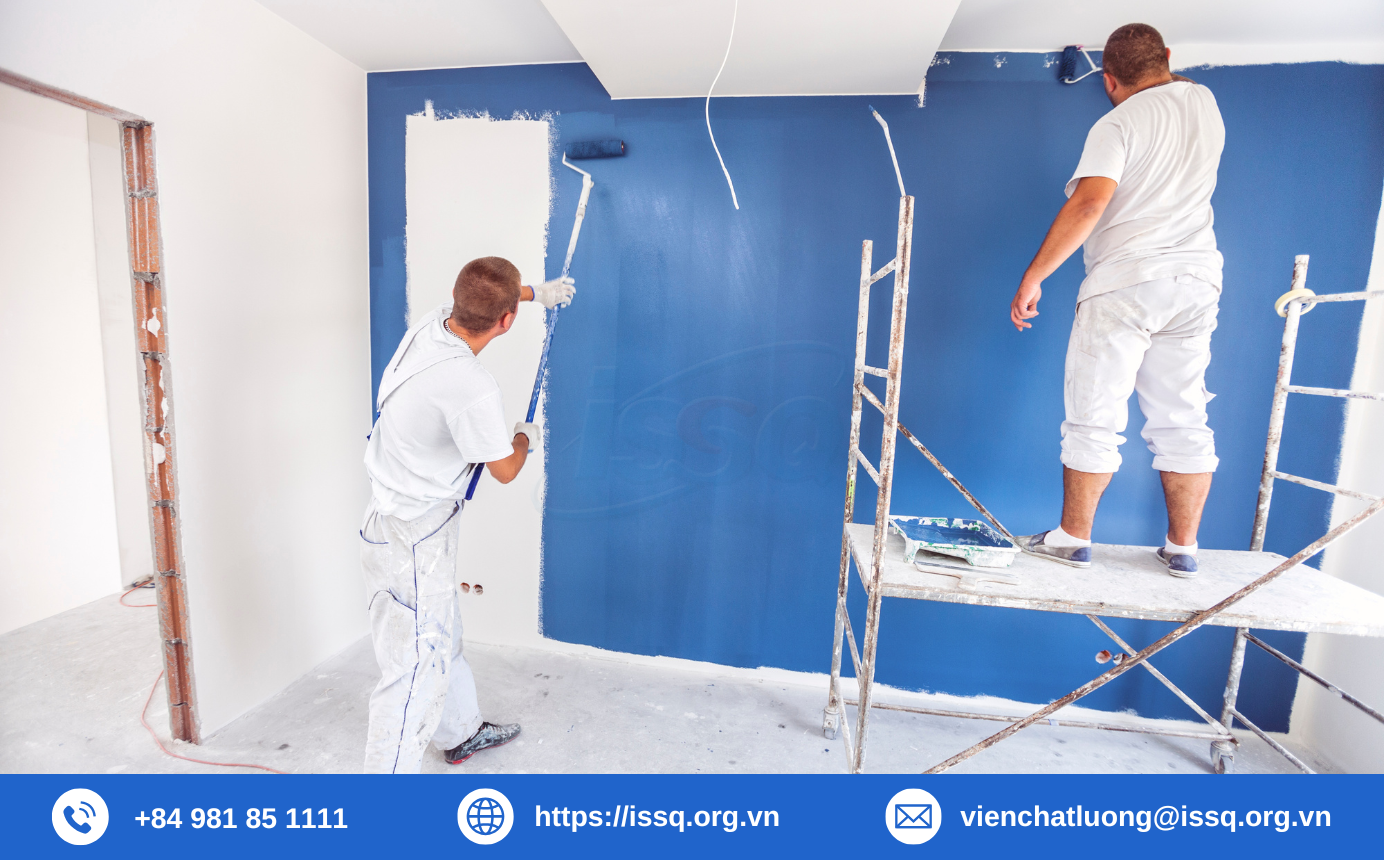
Sơn là vật liệu được sử dụng rộng rãi trong các công trình xây dựng, nhà ở, trường học, bệnh viện và nhiều hạng mục khác. Việc chứng nhận hợp quy hàm lượng chì trong sơn theo QCVN 8:2020/BCT không chỉ giúp doanh nghiệp đáp ứng yêu cầu pháp luật mà còn mang lại nhiều lợi ích cho các bên liên quan, từ nhà sản xuất, đơn vị phân phối đến người tiêu dùng và cơ quan quản lý.
Sơn là vật liệu được sử dụng rộng rãi trong các công trình xây dựng, nhà ở, trường học, bệnh viện và nhiều hạng mục khác. Bên cạnh các yêu cầu về độ bền và tính thẩm mỹ, việc kiểm soát hàm lượng chì trong sơn ngày càng được quan tâm nhằm góp phần bảo vệ sức khỏe người sử dụng và đáp ứng các quy định quản lý chất lượng sản phẩm.
Đối với các doanh nghiệp sản xuất, nhập khẩu và kinh doanh sơn, việc chứng nhận hợp quy theo QCVN 8:2020/BCT không chỉ là yêu cầu tuân thủ quy định mà còn góp phần nâng cao uy tín và năng lực cạnh tranh trên thị trường.
Hãy cùng Viện Chất lượng ISSQ tìm hiểu về quy định giới hạn hàm lượng chì trong sơn, danh mục sản phẩm thuộc phạm vi áp dụng cũng như những lợi ích của việc chứng nhận hợp quy theo QCVN 8:2020/BCT trong bài viết dưới đây.
Hàm lượng chì trong sơn là tỷ lệ phần trăm khối lượng của chì, được tính theo chì kim loại (Pb), tồn tại trong sản phẩm sơn. Hàm lượng này bao gồm toàn bộ lượng chì có trong sơn dưới mọi dạng, từ chì nguyên chất đến các hợp chất của chì được sử dụng trong quá trình sản xuất.
Theo QCVN 8:2020/BCT, hàm lượng chì trong sơn được xác định thông qua các phương pháp thử nghiệm quy định trong quy chuẩn nhằm đánh giá mức độ phù hợp của sản phẩm với các yêu cầu kỹ thuật hiện hành.
Việc kiểm soát hàm lượng chì trong sơn có ý nghĩa quan trọng trong việc bảo đảm an toàn cho người sử dụng, hạn chế các tác động tiêu cực đến sức khỏe và môi trường, đồng thời giúp doanh nghiệp đáp ứng các yêu cầu về chất lượng sản phẩm trước khi đưa ra thị trường.
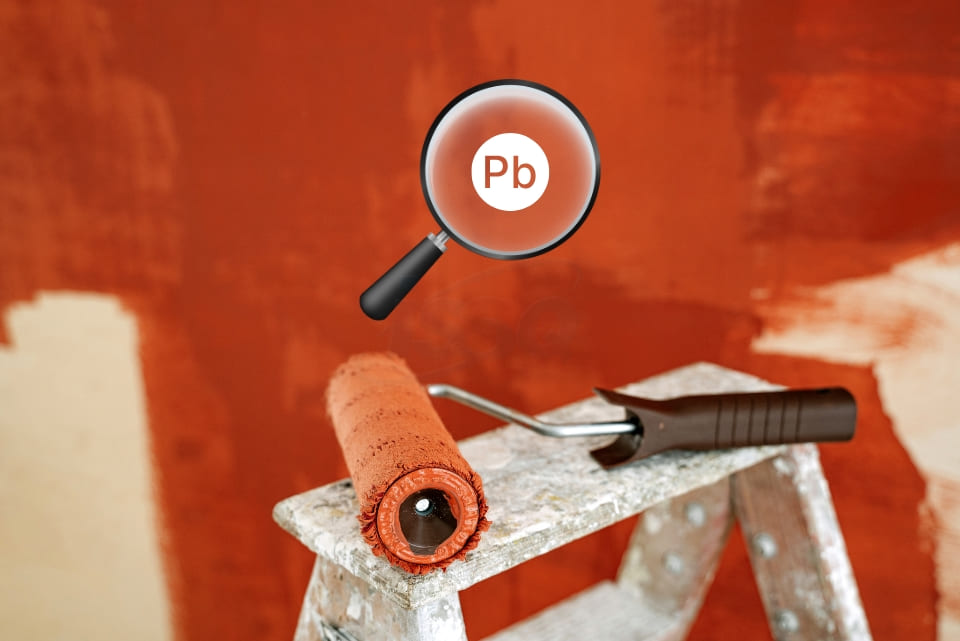
Chì là kim loại nặng có độc tính cao. Khi hàm lượng chì trong sơn vượt quá giới hạn cho phép, sản phẩm có thể gây ra những ảnh hưởng tiêu cực đối với sức khỏe con người, môi trường và cả hoạt động kinh doanh của doanh nghiệp.
Trong quá trình thi công, sử dụng hoặc khi lớp sơn bị bong tróc, các hạt bụi và mảnh sơn chứa chì có thể phát tán ra môi trường. Việc hít phải hoặc vô tình nuốt phải các hạt này trong thời gian dài có thể làm tăng nguy cơ tích tụ chì trong cơ thể.
Tiếp xúc với chì ở nồng độ cao hoặc kéo dài có thể ảnh hưởng đến hệ thần kinh, hệ tuần hoàn, thận và nhiều cơ quan khác. Trẻ em là nhóm đối tượng dễ bị tác động hơn do cơ thể đang trong giai đoạn phát triển.
Sơn chứa hàm lượng chì vượt ngưỡng có thể trở thành nguồn phát sinh chất ô nhiễm trong quá trình sản xuất, thi công, cải tạo hoặc phá dỡ công trình. Chì có khả năng tồn tại lâu trong môi trường, làm ảnh hưởng đến chất lượng đất, nước và hệ sinh thái xung quanh.
Việc sản xuất, nhập khẩu hoặc lưu thông các sản phẩm sơn không đáp ứng yêu cầu về giới hạn hàm lượng chì có thể khiến doanh nghiệp đối mặt với các biện pháp xử lý theo quy định của pháp luật. Ngoài nguy cơ bị xử phạt, doanh nghiệp còn có thể chịu ảnh hưởng về uy tín thương hiệu, niềm tin của khách hàng và khả năng cạnh tranh trên thị trường.
Những tác động trên cho thấy việc kiểm soát hàm lượng chì trong sơn không chỉ là yêu cầu kỹ thuật mà còn là yếu tố quan trọng góp phần bảo vệ sức khỏe cộng đồng, môi trường và sự phát triển bền vững của doanh nghiệp. Vì vậy, QCVN 8:2020/BCT được ban hành nhằm quy định giới hạn hàm lượng chì trong sơn và làm cơ sở để đánh giá sự phù hợp của sản phẩm trước khi lưu thông trên thị trường.

QCVN 8:2020/BCT là Quy chuẩn kỹ thuật quốc gia quy định về giới hạn hàm lượng chì trong các loại sơn được sản xuất, nhập khẩu và kinh doanh tại Việt Nam. Quy chuẩn này đưa ra các yêu cầu kỹ thuật, phương pháp thử cũng như các quy định quản lý nhằm kiểm soát hàm lượng chì trong sản phẩm sơn, góp phần bảo vệ sức khỏe con người và môi trường.
QCVN 8:2020/BCT áp dụng đối với các loại sơn thuộc danh mục được quy định trong Phụ lục A của quy chuẩn. Đây là căn cứ để cơ quan quản lý nhà nước, tổ chức chứng nhận và doanh nghiệp thực hiện hoạt động đánh giá sự phù hợp đối với sản phẩm sơn trước khi đưa ra thị trường.
Đối tượng áp dụng của quy chuẩn này bao gồm các tổ chức, cá nhân sản xuất, nhập khẩu, kinh doanh các loại sơn thuộc phạm vi điều chỉnh, cùng các cơ quan quản lý nhà nước và các tổ chức, cá nhân có liên quan đến hoạt động quản lý, đánh giá và sử dụng sản phẩm sơn.
Theo QCVN 8:2020/BCT, một số loại sơn thuộc phạm vi điều chỉnh của quy chuẩn phải đáp ứng yêu cầu về giới hạn hàm lượng chì và thực hiện đánh giá sự phù hợp trước khi lưu thông trên thị trường. Dưới đây là danh mục các loại sơn thuộc đối tượng áp dụng của quy chuẩn.
Các sản phẩm sơn thuộc danh mục nêu trên khi sản xuất, nhập khẩu hoặc kinh doanh tại Việt Nam cần đáp ứng các yêu cầu về giới hạn hàm lượng chì theo QCVN 8:2020/BCT. Đây cũng là cơ sở để doanh nghiệp thực hiện đánh giá sự phù hợp và chứng nhận hợp quy theo quy định hiện hành.
Việc chứng nhận hợp quy hàm lượng chì trong sơn theo QCVN 8:2020/BCT không chỉ giúp doanh nghiệp đáp ứng yêu cầu pháp luật mà còn mang lại nhiều lợi ích cho các bên liên quan, từ nhà sản xuất, đơn vị phân phối đến người tiêu dùng và cơ quan quản lý.
Chứng nhận hợp quy hàm lượng chì trong sơn theo QCVN 8:2020/BCT không chỉ giúp doanh nghiệp đáp ứng yêu cầu pháp luật mà còn góp phần bảo vệ sức khỏe người tiêu dùng, nâng cao chất lượng sản phẩm và thúc đẩy sự phát triển bền vững của thị trường sơn.
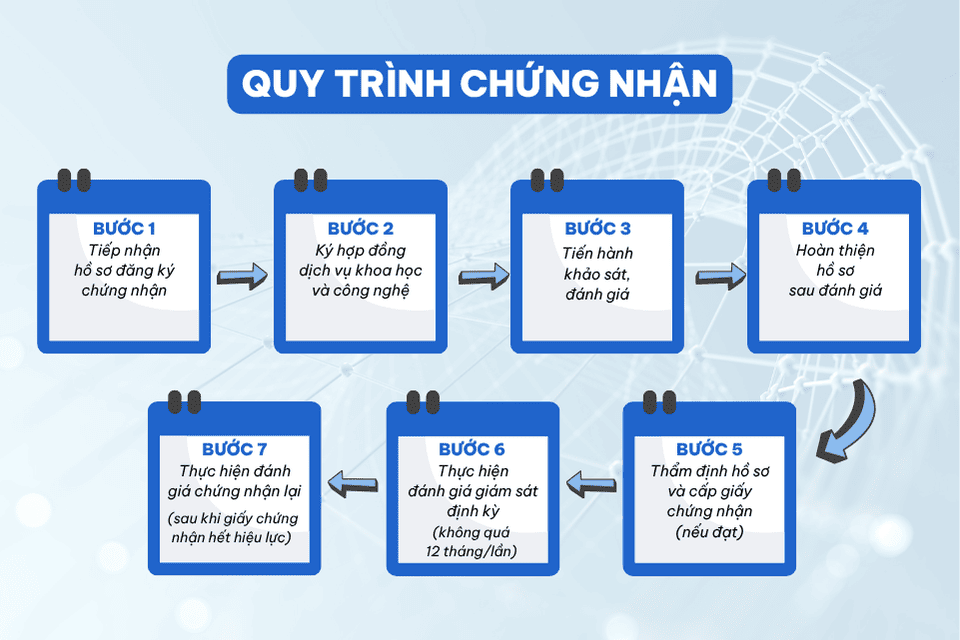
Để chứng nhận sản phẩm sơn đáp ứng các yêu cầu về giới hạn hàm lượng chì theo QCVN 8:2020/BCT, doanh nghiệp cần thực hiện quá trình đánh giá và chứng nhận hợp quy theo các bước cơ bản sau:
Bước 1: Tiếp nhận hồ sơ đăng ký chứng nhận
Bước 2: Ký hợp đồng dịch vụ khoa học công nghệ
Bước 3: Tiến hành khảo sát, đánh giá
Bước 4: Hoàn thiện hồ sơ sau đánh giá
Bước 5: Thẩm định hồ sơ và cấp giấy chứng nhận (nếu đạt)
Bước 6: Thực hiện đánh giá giám sát không quá 12 tháng/lần
Bước 7: Thực hiện đánh giá chứng nhận lại (sau khi giấy chứng nhận hết hiệu lực)
Quý công ty có nhu cầu đánh giá chứng nhận hợp quy giới hạn hàm lượng chì trong sơn theo QCVN 8 hãy liên hệ với Viện Chất lượng ISSQ theo hotline: 0981851111 hoặc vienchatluong@issq.org.vn | tcvn@issq.org.vn để được hỗ trợ thủ tục.
Ngày đăng: 08/06/2026