
INSTITUTE FOR STANDARD AND QUALITY DEVELOPMENT STUDIES


Electric irons are common household appliances frequently used in daily life. Assessment and conformity certification in accordance with technical regulations is an important step before products are placed on the market.
Electric irons are common household appliances frequently used in daily life. However, because they operate at high temperatures and are directly connected to electricity, these products may pose many safety risks if quality is not properly controlled from the beginning.
In this context, assessment and conformity certification in accordance with technical regulations is an important step before products are introduced to the market.
Let’s join ISSQ Quality Institute in learning more about the requirements, benefits, and conformity certification process for electric irons under QCVN 4 in the article below.
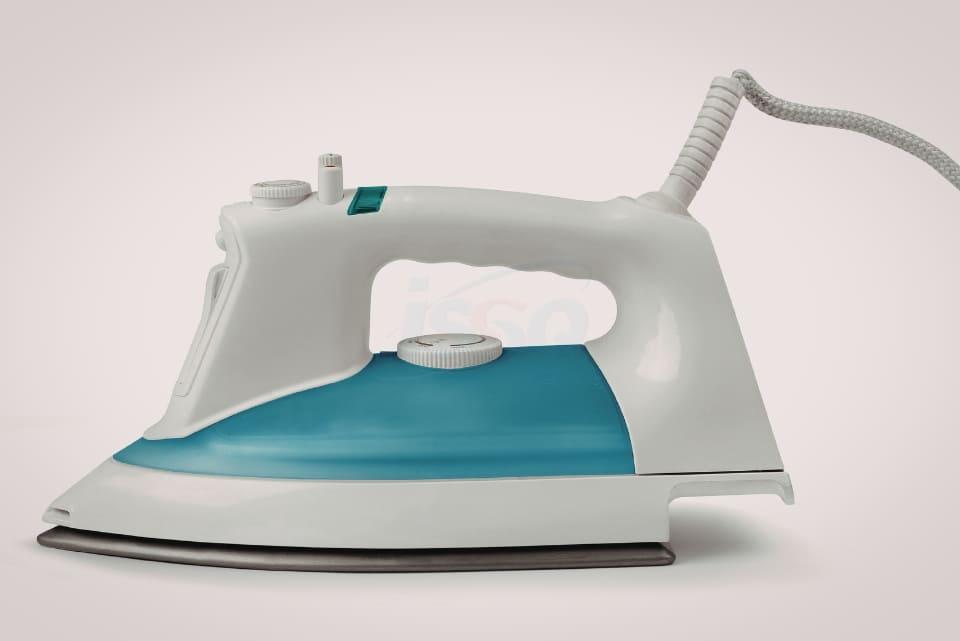
An electric iron is a household electrical appliance that uses electricity to generate heat in order to remove wrinkles from fabrics. The appliance operates based on the principle of converting electrical energy into heat energy through a heating element, with common power levels ranging from approximately 900W to 2500W.
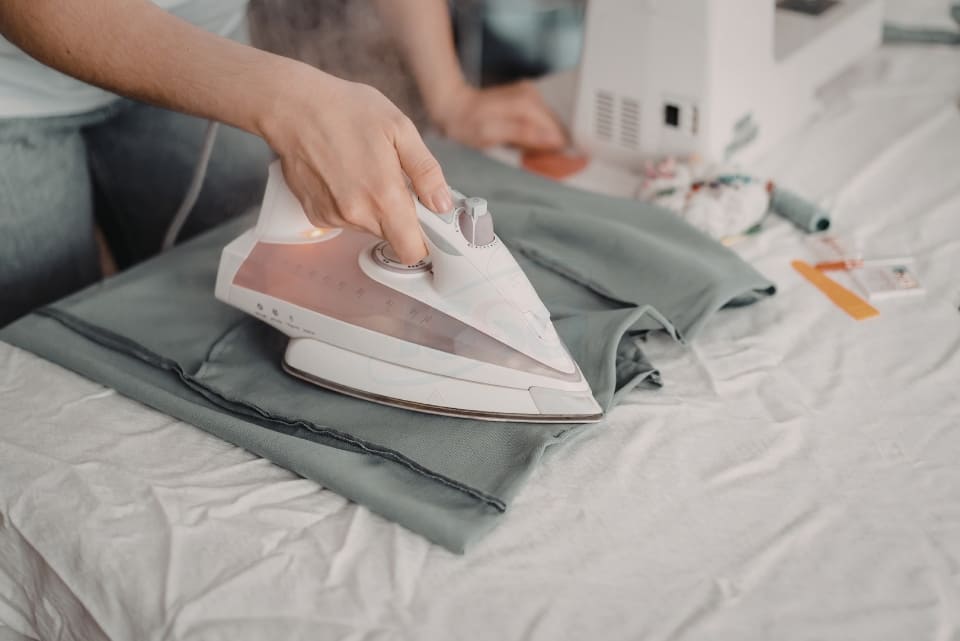
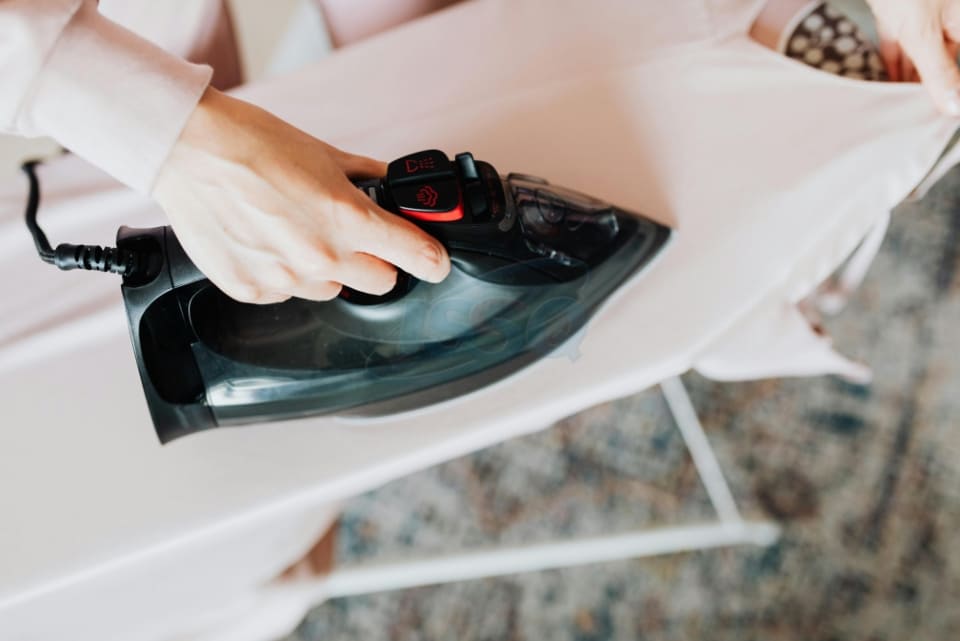
When the appliance is connected to electricity, electric current flows through the heating element, causing it to heat up. The heat is then transferred to the soleplate of the iron, which is usually made of aluminum or stainless steel, creating a temperature high enough to soften fabric fibers. Combined with the pressure applied by the user, wrinkles on clothing can be effectively removed.
A typical electric iron includes the following main components:
With the characteristics of using electricity and generating high temperatures, electric irons are products that need to be strictly controlled for technical safety during manufacturing and market circulation.
QCVN 4 is a technical regulation that specifies safety requirements and management requirements for electrical and electronic products listed in the Appendix of this technical regulation. This list may be amended, supplemented, or revoked according to decisions of the Minister of Science and Technology.
Under this regulation, electrical and electronic products are understood as appliances connected directly or through a low-voltage socket supply, used in households, commercial environments, and places with similar purposes of use, excluding medical devices and telecommunications equipment.
This technical regulation applies to organizations and individuals involved in the manufacturing, import, distribution, and retail of electrical and electronic products listed in the Appendix of this technical regulation, as well as state management agencies and other related organizations and individuals.
According to the Appendix, QCVN 4 applies to the following groups of electrical and electronic products that must meet safety requirements before conformity certification and market circulation:
Electric irons are widely used household electrical appliances. Under QCVN 4, electric irons must comply with TCVN 5699-2-3:2010 regarding household and similar electrical appliances – Safety – Part 2-3: Particular requirements for electric irons.
This standard specifies safety requirements for both dry irons and steam irons, including irons with separate water tanks or steam generators with a capacity not exceeding 5 liters, intended for household and similar purposes, with a rated voltage not exceeding 250V.
This standard does not apply to:
Assessment and conformity certification under QCVN 4 serve as the basis for ensuring that electric irons meet technical safety requirements before being put into use. This not only helps control risks during operation but also helps enterprises improve product reliability in the marketplace.
Conformity certification is not only a product technical assessment step but also brings many practical benefits to enterprises during manufacturing and business operations:
Conformity certification for electric irons under QCVN 4 not only helps control product quality but also supports sustainable business development in the market.
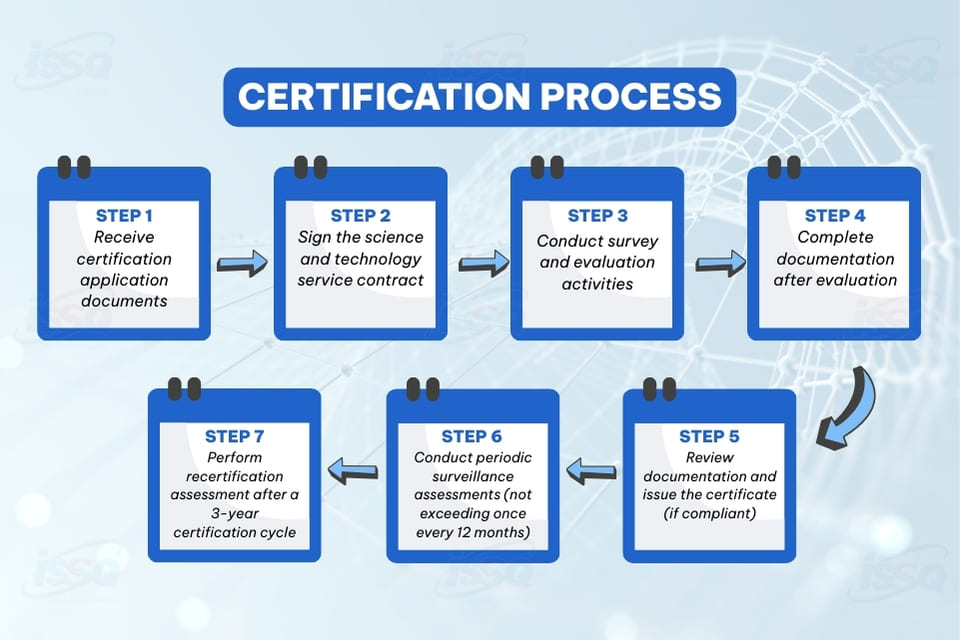
To ensure objectivity and compliance with technical requirements, the conformity certification process for electric irons under QCVN 4 is implemented through the following steps:
Step 1: Receive certification registration documents
Step 2: Sign the science and technology service contract
Step 3: Conduct surveys and assessments
Step 4: Complete documents after assessment
Step 5: Review documents and issue the certificate if requirements are met
Step 6: Conduct surveillance assessments no more than once every 12 months
Step 7: Conduct re-certification assessment after the certificate expires in 3 years
Conformity certification for electric irons under QCVN 4 is intended to ensure that products meet technical safety requirements before being introduced to the market. Through the assessment and quality control process, enterprises not only improve product reliability but also create a favorable foundation for business and distribution activities.
As consumers increasingly pay attention to safety and quality, proactively carrying out conformity certification will help enterprises increase credibility, reduce risks, and enhance competitiveness in the market.
If your company needs conformity certification assessment for electric irons under QCVN 4, please contact ISSQ Quality Institute via hotline: +84 981851111 or email: vienchatluong@issq.org.vn | tcvn@issq.org.vn for support with procedures.
Publication Date: April 13, 2026


