
INSTITUTE FOR STANDARD AND QUALITY DEVELOPMENT STUDIES


Conformity certification for electric kettles under QCVN 4 is a mandatory requirement to ensure electrical safety and product quality before market circulation. Certification helps enterprises comply with regulations, control risks, enhance credibility, and increase competitiveness in the market.
Electric kettles are household electrical appliances widely used in daily life. However, they may pose various electrical and safety risks if technical requirements are not properly met. According to current regulations, electric kettles are products subject to mandatory conformity certification under QCVN 4 before being placed on the Vietnamese market.
Understanding regulations, scope of application, and certification procedures correctly not only helps enterprises comply with legal requirements but also contributes to improving product quality and reputation.
Let ISSQ Institute explore in detail conformity certification for electric kettles under QCVN 4 in the following article.
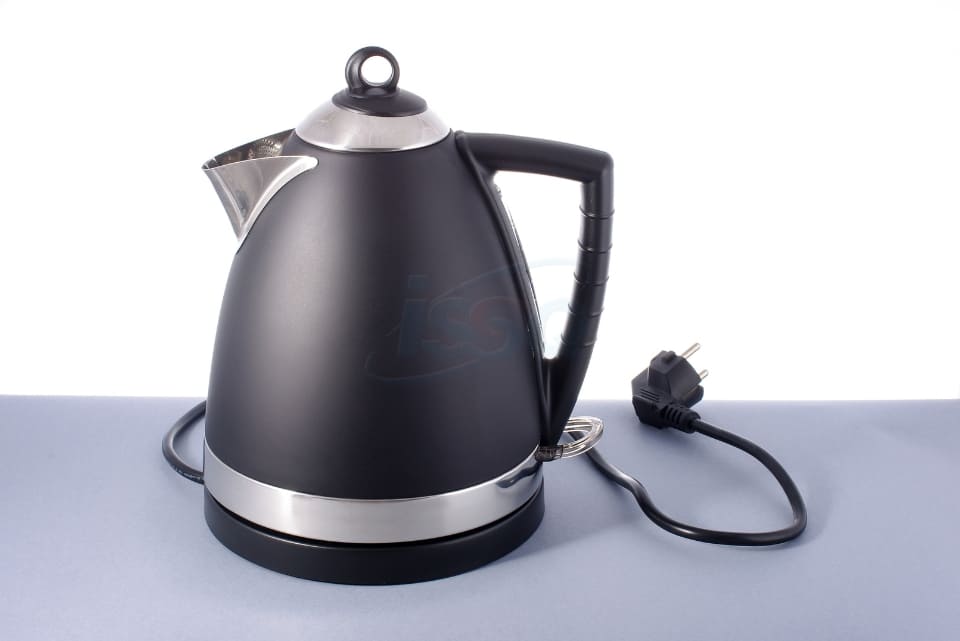
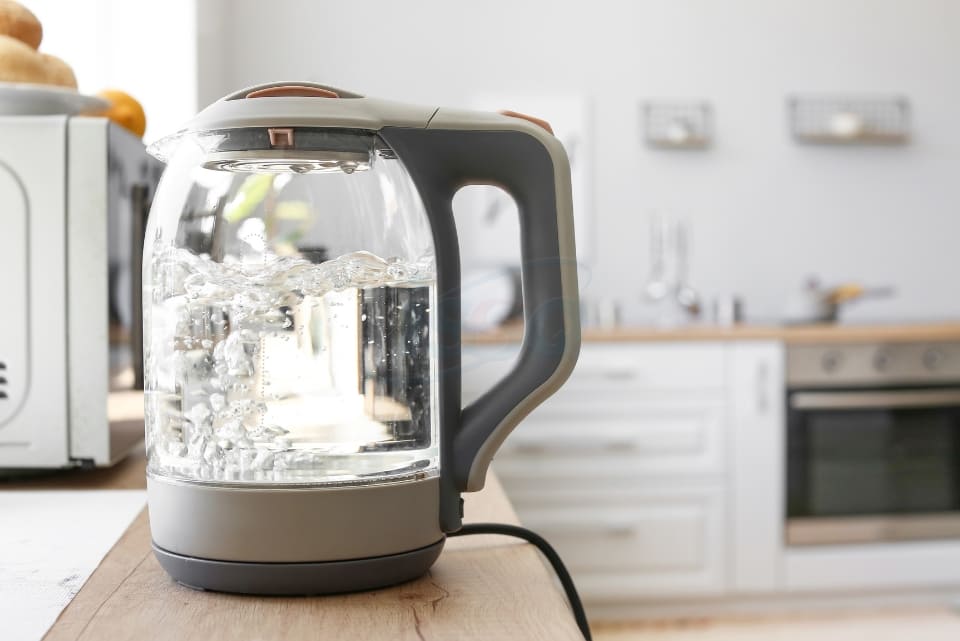
An electric kettle is a household electrical appliance used to boil water or other liquids for daily use. The device operates using an electric power source, where the heating element converts electrical energy into thermal energy to heat water quickly.
Electric kettles are widely used in households, offices, service stores, and similar environments. Due to direct operation with high voltage and high temperature, electric kettles may present safety risks such as electric shock, overheating, or fire hazards if not designed and manufactured in accordance with appropriate technical requirements.
Regarding product types, electric kettles include various forms such as rapid-boil kettles, tea kettles, multifunction electric kettles, or other devices specifically designed for boiling water with limited capacity.
QCVN 4 is the National Technical Regulation specifying safety and management requirements for electrical and electronic equipment listed in the Annex of this regulation. This list may be amended, supplemented, or abolished by decision of the Minister of Science and Technology.
Electrical and electronic equipment circulating on the market must bear product labels in accordance with the law on goods labeling; must obtain conformity certification and affix the conformity mark (CR mark) as prescribed in QCVN 4; and are subject to market surveillance by product quality inspection authorities (hereinafter referred to as inspection authorities).
QCVN 4 requires electric kettles to comply with TCVN 5699-2-15:2013 (IEC 60335-2-15:2012) replacing TCVN 5699-2-15:2007 (IEC 60335-2-15:2005) — Household and similar electrical appliances – Safety – Part 2-15: Particular requirements for appliances for heating liquids.
TCVN 5699-2-15:2013 specifies safety requirements for electrical appliances used for heating liquids in households and similar purposes, with rated voltage not exceeding 250 V.
The standard defines acceptable levels of protection against electrical, mechanical, thermal, fire, and radiation hazards during normal operation, taking into account manufacturer instructions. It also addresses foreseeable abnormal conditions and considers how electromagnetic phenomena may affect the safe operation of appliances.
Coffee makers
Electric frying pans
Egg boilers
Bottle warmers
Electric kettles and other appliances for boiling water with rated capacity not exceeding 10 L
Milk heaters
Pressure cookers with rated cooking pressure not exceeding 140 kPa and rated capacity not exceeding 10 L
Rice cookers
Slow cookers
Steamers
Soy milk makers
Tea kettles
Washing boilers
Yogurt makers
Appliances intended for normal household use and similar purposes, including use by non-specialists in shops, light industry, and farms, are also covered by this standard, such as glue pots, livestock feed cookers, and sterilizing equipment.
If the appliance is designed for professional use in commercial food processing, it is not considered intended for household and similar use.
Improve product quality management systems
Ensure product quality and safety from the production stage
Provide evidence of technical conformity
Demonstrate compliance with current legal regulations for Group-2 products
Support comprehensive production process control
Create a basis for productivity improvement
Optimize production and business costs
Enable efficient allocation of resources
Serve as an effective marketing tool
Facilitate foreign enterprises’ access to the Vietnamese market
Demonstrate corporate social responsibility
Conformity certification not only ensures compliance with mandatory quality management requirements but also enhances product safety, operational efficiency, and long-term competitiveness.
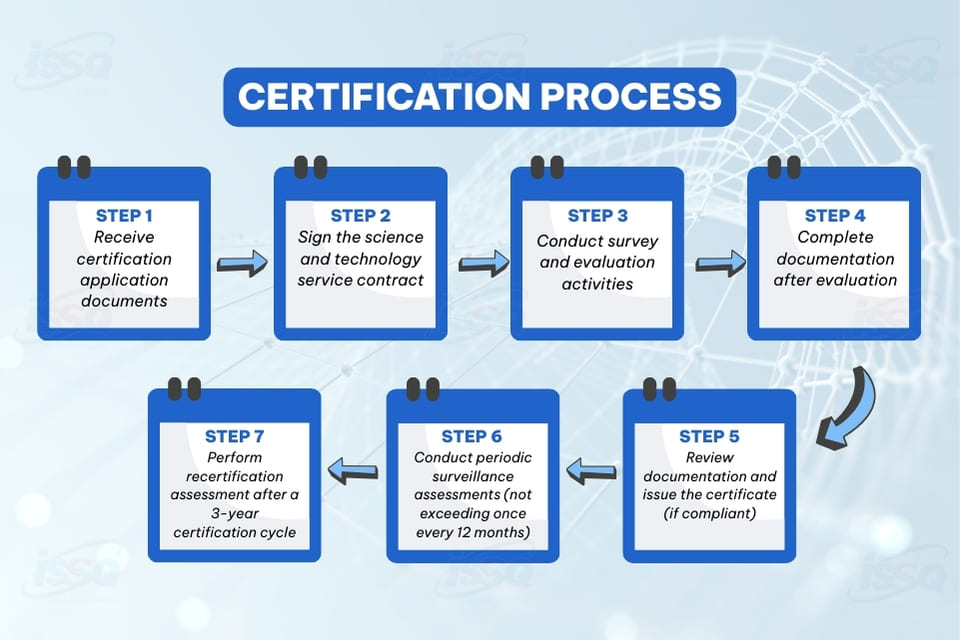
Step 1: Receipt of certification application dossier
Step 2: Signing of science and technology service contract
Step 3: On-site survey and assessment
Step 4: Completion of post-assessment documentation
Step 5: Dossier review and issuance of certification (if compliant)
Step 6: Periodic surveillance assessment (not exceeding 12 months per time)
Step 7: Recertification assessment after a 3-year cycle
Conformity certification for electric kettles under QCVN 4 is a mandatory requirement to ensure user safety and compliance with quality management regulations for household electrical appliances.
Enterprises that clearly understand regulatory requirements, scope, and certification procedures can minimize risks, optimize operations, and build a sustainable development foundation.
For conformity certification services for electric kettles under QCVN 4, please contact ISSQ Institute via hotline: +84 981851111 or email vienchatluong@issq.org.vn | tcvn@issq.org.vn for support.
Posted date: 11/02/2026


