
INSTITUTE FOR STANDARD AND QUALITY DEVELOPMENT STUDIES


Electric wires and cables are products widely used in residential and industrial electrical systems. If the products do not meet technical requirements, electrical incidents and fire hazards may occur during use. Therefore, conformity assessment under QCVN 4 is a matter of concern for many businesses before bringing products to the market.
Electric wires and cables are products widely used in residential, industrial, and various technical infrastructure systems today. However, these products are also directly related to electrical safety, construction quality, and fire risks if they fail to meet necessary technical requirements.
Therefore, conformity certification for electric wires and cables under QCVN 4 is receiving significant attention from manufacturers, importers, and distributors to ensure products comply with regulations before being circulated on the market.
Let ISSQ Quality Institute help you learn more about conformity certification for electric wires and cables under QCVN 4 in the article below.
Electric wires and cables are products used to transmit electrical power or electrical signals from the source to electrical devices. They are widely used in residential electrical systems, industrial systems, construction projects, telecommunications, and technical infrastructure.
Although often referred to together, electric wires and electric cables differ in structure, load-bearing capacity, and intended applications.
An electric wire is a conductive material with a relatively simple structure, usually consisting of: a copper or aluminum conductor core and an outer insulation layer.
Electric wires are commonly used in: residential electrical systems, household electrical appliances, lighting systems, electrical connections in buildings, etc.
An electric cable has a more complex structure than an electric wire, consisting of multiple protective layers to increase load capacity, reduce interference, and ensure operational safety.
Typically, electric cables may include: conductor core, insulation layer, filler layer, protective armor layer, outer sheath, etc.
Electric cables are commonly used in: industrial electrical systems, manufacturing plants, construction works, power transmission and distribution systems, etc.
Electric wires and cables not only transmit electrical power but also directly affect:
Because they are directly related to electrical safety and construction quality, electric wires and cables must be strictly controlled in terms of quality and conformity assessment according to current technical requirements.
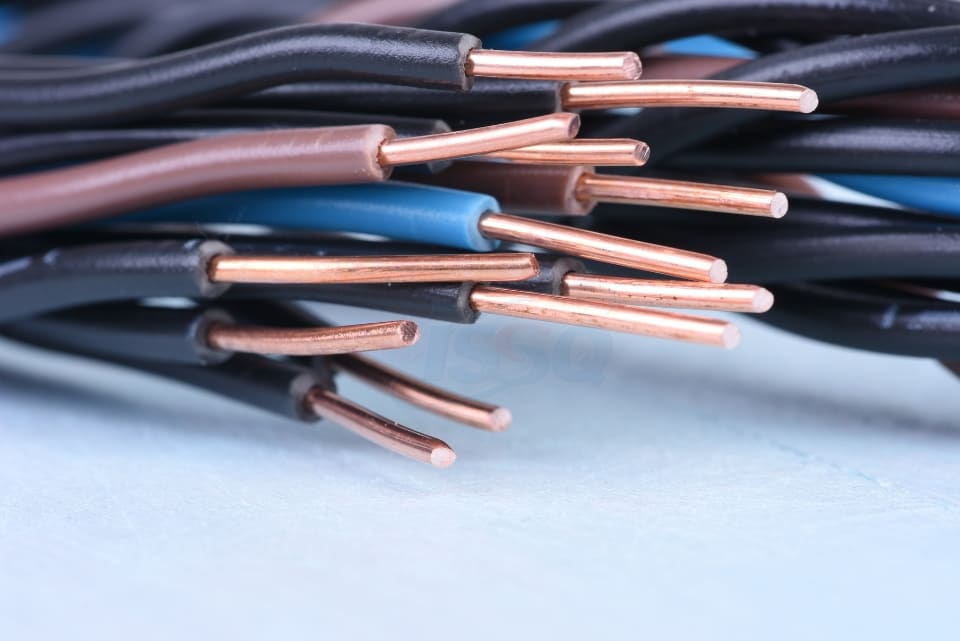
Electric wires and cables are products commonly used in residential and industrial electrical systems. If the products do not meet technical requirements, electrical incidents and fire hazards may occur during use.
Therefore, conformity assessment under QCVN 4 is a major concern for many businesses before bringing products to the market.
Poor-quality electric wires and cables may cause electrical leakage, short circuits, electric shock, etc., affecting user safety. In particular, insulation defects or poor conductor materials are often difficult to detect with the naked eye.
If load-bearing capacity is insufficient, electric wires and cables may generate excessive heat, melt insulation layers, and cause electrical fires. This is one of the common causes of electrical fire incidents in buildings and factories.
Currently, the market contains many types of electric wires and cables with varying quality levels. Some products may not ensure proper conductor cross-sectional area, may use low-quality materials, or fail to meet technical safety requirements. Therefore, product quality assessment and control are necessary.
Products that do not meet technical requirements may cause unstable electrical system operation, faster equipment damage, and increased repair and maintenance costs. For factories or large projects, these risks may directly affect operations.
Conformity assessment under QCVN 4 helps businesses control product quality, comply with current technical requirements, and establish a basis for legal market circulation.
Electric wires and cables directly affect electrical safety, construction quality, and the operation of electrical systems in practice. Therefore, conformity assessment under QCVN 4 not only helps control product quality but also contributes to minimizing safety risks during use and market circulation.
QCVN 4 is the National Technical Regulation specifying safety requirements and management requirements for electrical and electronic equipment listed in the Appendix of this regulation.
| No. | Electrical and Electronic Equipment |
|---|---|
| 1 | Instantaneous electric water heaters |
| 2 | Electric water heating and hot water storage appliances |
| 3 | Hair dryers and other hair care appliances |
| 4 | Electric kettles |
| 5 | Rice cookers |
| 6 | Electric fans |
| 7 | Electric irons |
| 8 | Microwave ovens |
| 9 | Portable electric ovens and electric grills |
| 10 | Electric wires and cables |
| 11 | Immersion-type electric water heaters |
| 12 | Tea or coffee makers |
| 13 | Hand dryers |
Among them, electric wires and cables must comply with TCVN 6610-1:2014 (IEC 60227-1:2007), replacing TCVN 6610-1:2007 (IEC 60227-1:1998) regarding PVC insulated cables with rated voltages up to and including 450/750 V.
TCVN 6610-1:2014 applies to rigid and flexible cables insulated, and sheathed if applicable, with polyvinyl chloride (PVC), having rated voltage Uo/U up to and including 450/750 V, used in electrical installations with nominal voltages not exceeding 450/750 V AC.
Conformity certification for electric wires and cables under QCVN 4 not only helps businesses comply with technical requirements for electrical and electronic products but also provides many benefits in manufacturing, business operations, and brand reputation building.
Conformity certification helps products be assessed according to electrical safety technical requirements before being circulated on the market. It also serves as a basis for businesses to control quality and improve product reliability.
Products assessed as compliant with technical regulations often create greater confidence among customers, partners, and contractors. This contributes to improving brand image and reputation.
Conformity certification helps businesses distribute products more conveniently, supply products to projects, cooperate with distributors and partners, and participate in projects or bidding activities.
Conformity assessment under QCVN 4 helps businesses proactively control technical requirements for products, thereby minimizing risks related to product quality during market circulation.
As consumers increasingly pay attention to the quality and safety of electrical products, conformity certification also becomes a factor that helps businesses create competitive advantages and increase market trust.
Conformity certification for electric wires and cables under QCVN 4 not only demonstrates compliance with technical requirements but also helps businesses improve product quality, build reputation, and develop sustainable business operations.
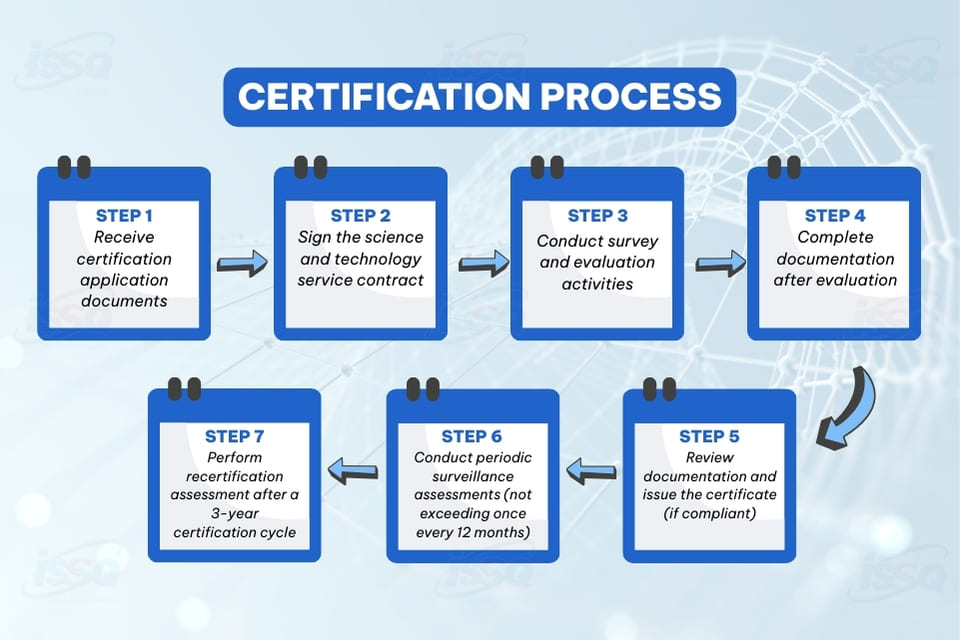
To assess electric wires and cables for conformity under QCVN 4, the following basic certification steps are generally implemented:
Step 1: Receive certification registration documents
Step 2: Sign the science and technology service contract
Step 3: Conduct surveys and assessments
Step 4: Complete documents after assessment
Step 5: Review documents and issue certification (if qualified)
Step 6: Conduct surveillance assessments at least once every 12 months
Step 7: Conduct recertification assessment (certificate validity: 3 years)
Electric wires and cables play an important role in residential and industrial electrical systems, while also posing risks of electrical hazards and fire if they do not meet technical requirements. Therefore, conformity certification under QCVN 4 not only helps businesses control product quality but also contributes to enhancing brand reputation and facilitating product circulation on the market.
In addition to complying with current technical requirements, conformity certification also helps businesses increase trust with customers and partners while improving competitiveness in the manufacturing and trading of electric wires and cables.
Companies requiring conformity certification assessment for electric wires and cables under QCVN 4 may contact ISSQ Quality Institute via hotline: (+84) 981851111 or email: vienchatluong@issq.org.vn | tcvn@issq.org.vn for support with procedures.
Published Date: 13/05/2026


