
INSTITUTE FOR STANDARD AND QUALITY DEVELOPMENT STUDIES


QCVN 12-2:2011/BYT stipulates technical and management requirements on food hygiene and safety for rubber packaging and utensils in direct contact with food (hereinafter referred to as rubber packaging and utensils). This regulation applies to organizations and individuals importing, manufacturing, trading, and using rubber packaging and utensil products, as well as state management agencies and other related organizations and individuals.
In the food production and consumption chain, materials that come into direct contact with food, such as rubber packaging and utensils, can directly affect product quality and safety if not properly controlled. This is also the reason why technical regulations have been issued to establish a “control barrier” for this group of materials.
QCVN 12-2:2011/BYT is one of the technical regulations specifying food hygiene and safety requirements for rubber packaging and utensils in direct contact with food.
Let ISSQ Quality Institute help you explore the technical regulation, technical requirements, and certification process in detail in the article below.
Rubber packaging and utensils are products made from natural rubber or synthetic rubber, used for containing, preserving, or directly contacting food during production and consumption. According to QCVN 12-2:2011/BYT, these materials are subject to strict food safety management due to the risk of chemical migration if not properly controlled.
In practice, these products have the following characteristics and applications:
Because they often operate under specific conditions, rubber packaging and utensils must strictly comply with technical limits under QCVN 12-2:2011/BYT to ensure that no harmful substances migrate into food. Therefore, conformity certification is not only a mandatory legal requirement but also an important factor helping enterprises ensure product safety before placing products on the market.
Rubber packaging and utensils are materials that come into direct contact with food, so any risks from the material may directly affect consumer health. According to QCVN 12-2:2011/BYT, these products must complete conformity declaration procedures before being circulated on the market to ensure compliance with food hygiene and safety requirements.
In practice, if not controlled according to the regulation, rubber materials may cause issues such as:
In addition, QCVN 12-2:2011/BYT clearly specifies technical criteria, testing methods, and management requirements for this product group, thereby creating a basis for consistent quality assessment and control across the market. Conformity certification helps enterprises demonstrate that products have been tested and comply with safety limits as prescribed.
Therefore, conformity certification is not only a mandatory legal requirement but also a solution that helps enterprises control risks, ensure food safety, and improve product reliability in the market, thereby creating a foundation for sustainable production and business activities.
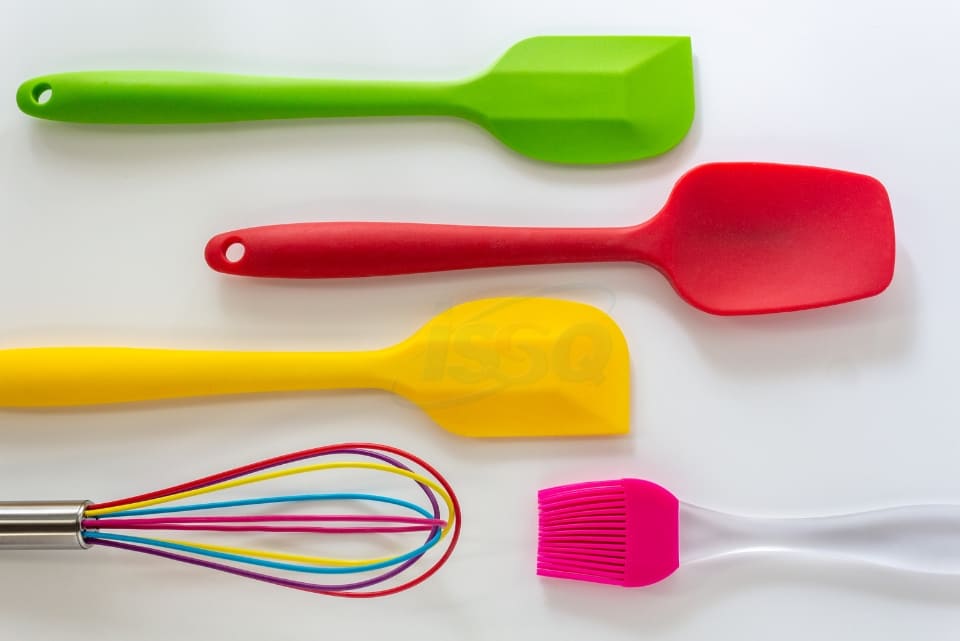
QCVN 12-2:2011/BYT is the National Technical Regulation on food hygiene and safety for rubber packaging and utensils in direct contact with food. This regulation establishes a system of technical and management requirements to control the safety level of rubber materials when contacting food, minimizing the risk of hazardous substance migration.
QCVN 12-2:2011/BYT applies to:
In particular, the regulation clearly classifies products intended for children and products not intended for children, with different technical limits to ensure suitable safety levels for each user group.
Thus, QCVN 12-2:2011/BYT is not only a legal basis but also a technical standard helping enterprises control the quality of rubber packaging and utensils, ensuring product safety before being marketed and used in practice.

According to QCVN 12-2:2011/BYT, rubber packaging and utensils in direct contact with food must satisfy strict technical requirements to control migration risks and ensure safety throughout use. These requirements are developed based on assessing both material composition and migration capability into food.
| Material Testing | Migration Testing | ||||
| Test Item | Maximum Limit | Test Item | Migration Condition | Migration Solution | Maximum Limit |
| Cadmium | 100 µg/g | Phenol | Water | 5 µg/ml | |
| Lead | 100 µg/g | ||||
| 2-Mercaptoimidazoline (Chlorine-containing rubber) | Negative | Formaldehyde | 60°C for 30 minutes [5] | Water | Negative |
| Zinc | 60°C for 30 minutes [5] | Acetic acid 4% | 15 µg/ml | ||
| Heavy metals | 60°C for 30 minutes [5] | Acetic acid 4% | 1 µg/ml | ||
| Dry residue | 60°C for 30 minutes | Water [3], [6] | 60 µg/ml | ||
| 60°C for 30 minutes | Acetic acid 4% [4] | ||||
| 60°C for 30 minutes | Ethanol 20% [1][2] | ||||
| Material Testing | Migration Testing | ||||
| Test Item | Maximum Limit | Test Item | Migration Condition | Migration Solution | Maximum Limit |
| Cadmium | 10 µg/g | Phenol | 40°C for 24 hours | Water | 5 µg/ml |
| Lead | 10 µg/g | Formaldehyde | 40°C for 24 hours | Water | Negative |
| Zinc | 40°C for 24 hours | Water | 1 µg/ml | ||
| Heavy metals | 40°C for 24 hours | Acetic acid 4% | 1 µg/ml | ||
| Dry residue | 40°C for 24 hours | Water | 40 µg/ml | ||
Notes:
[1] Applicable to packaging and utensils containing fats, edible oils, and fatty foods.
[2] Applicable to packaging and utensils containing alcoholic beverages.
[3] Applicable to packaging and utensils containing foods with pH greater than 5.
[4] Applicable to packaging and utensils containing foods with pH less than or equal to 5.
[5] Applicable to utensils used at temperatures above 100°C; soaking condition is 95°C for 30 minutes.
[6] Limit applicable to utensils.
The technical requirements in QCVN 12-2:2011/BYT are designed to comprehensively control material composition and migration capability under actual usage conditions. This is the basis for conformity assessment and ensuring the safety of rubber packaging and utensils before use in the food industry.
Conformity certification according to QCVN 12-2:2011/BYT not only helps enterprises meet state management requirements but also provides many practical benefits in production and business operations. Especially for products directly contacting food, such as rubber packaging and utensils, quality control according to regulations is a key factor in ensuring safety and building trust in the market.
Some notable benefits include:
Beyond simply “meeting regulations,” conformity certification also helps enterprises establish a systematic quality control system, thereby improving production efficiency and sustainable long-term development.

To have rubber packaging and utensils recognized as compliant with QCVN 12-2:2011/BYT and eligible for conformity declaration, enterprises need to carry out the certification process through the following basic steps:
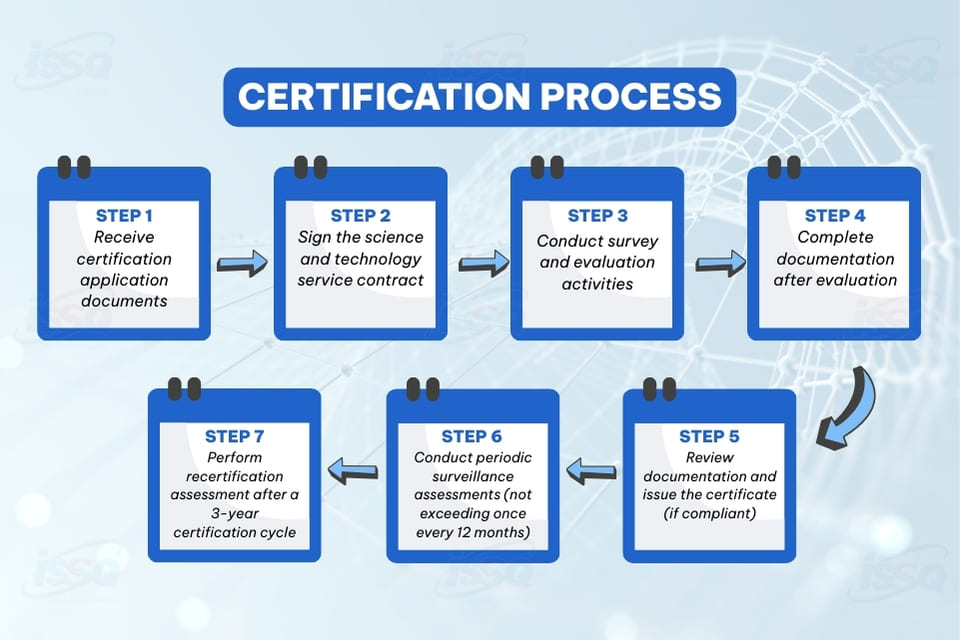
Through this process, enterprises not only complete conformity certification requirements but also establish a stable quality control mechanism, ensuring products continuously maintain compliance throughout market circulation.
QCVN 12-2:2011/BYT serves as a basis for controlling safety for rubber packaging and utensils in direct contact with food — a material group with many potential risks if not strictly managed. Fully complying with technical requirements, testing, and conformity certification not only helps enterprises comply with legal regulations but also ensures product quality from the initial stage.
In the context of increasingly stringent food safety requirements, conformity certification according to QCVN 12-2:2011/BYT is the foundation for enterprises to enhance reputation, minimize risks, and create sustainable competitive advantages in the market.
If your company requires assessment and certification for QCVN 12-2:2011/BYT – National Technical Regulation on food hygiene and safety for rubber packaging and utensils in direct contact with food, please contact ISSQ Quality Institute via hotline: (+84) 981851111 or email: vienchatluong@issq.org.vn | tcvn@issq.org.vn for support.
Published date: 06/05/2026


