
INSTITUTE FOR STANDARD AND QUALITY DEVELOPMENT STUDIES


Electrical safety is an essential aspect of every household. Common electrical devices such as switches, socket-outlets, plugs, and circuit breakers directly affect user safety. Without proper quality control, these products may become potential sources of electrical hazards, resulting in property damage and health risks.
Conformity certification under QCVN 25:2025/BKHCN helps businesses demonstrate that their products comply with applicable technical requirements. Understanding the scope of application and implementation timeline is essential for businesses to proactively ensure regulatory compliance, improve product quality, and build market confidence.
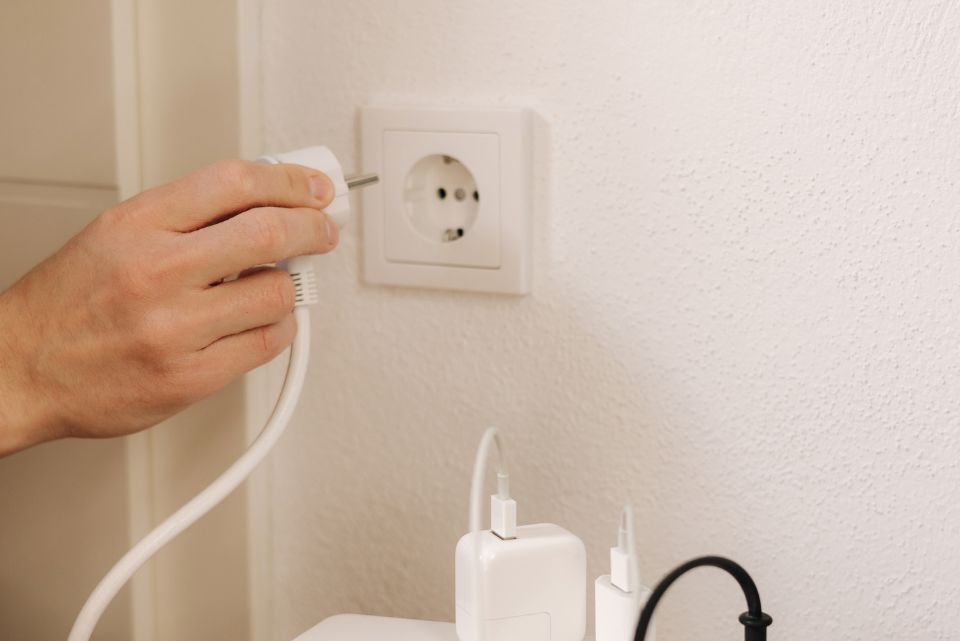
QCVN 25:2025/BKHCN applies to electrical equipment listed in Annex A and Annex B, intended for use in AC electrical distribution systems with voltages up to 440 V in residential buildings. Therefore, businesses must determine whether their products fall within the scope of the regulation based on product categories, technical characteristics, and intended applications.
The main categories of electrical equipment include:
Electrical switches for fixed electrical installations in households and similar applications, with a rated current not exceeding 20 A.
Socket-outlets, plugs, socket-outlet adaptors, and cord extension sets for household use, with a rated current not exceeding 32 A.
Overcurrent protective circuit breakers and specified types of residual current-operated circuit breakers, with a rated current not exceeding 63 A.
Determining whether a product falls within the scope of the regulation also requires consideration of the applicable referenced standards. The rated current limits mentioned above alone are insufficient to establish compliance obligations for all products with similar commercial names.
In commercial practice, product names are often simplified. For example, products commonly marketed as "electric shock protection devices" may differ significantly in their protective functions, construction, and technical specifications.
Businesses should carefully review technical documentation, product labels, model numbers, and intended functions before selecting an appropriate conformity assessment program.
A well-organized product list should clearly identify the product name, model, manufacturer, rated voltage, rated current, and relevant technical documents. This preparation helps minimize discrepancies between the products assessed and those actually placed on the market.
Circular No. 01/2025/TT-BKHCN took effect on April 1, 2025, encouraging businesses to apply the regulation from that date.
According to the prescribed implementation roadmap, starting from April 1, 2027, electrical equipment listed in Annex A and Annex B must comply with QCVN 25:2025/BKHCN before being placed on the market.
Businesses should distinguish between the effective date of the Circular and the date when compliance becomes mandatory.
The preparation period should be used to review product portfolios, complete technical documentation, and address any identified nonconformities.
Early implementation allows businesses to proactively manage supply plans, particularly when dealing with multiple product models or relying on overseas manufacturers.
QCVN 25:2025/BKHCN is the National Technical Regulation on Electrical Equipment for Household and Similar Electrical Installations, issued together with Circular No. 01/2025/TT-BKHCN dated February 14, 2025, by the Minister of Science and Technology of Vietnam.
The regulation establishes safety and regulatory management requirements for products within its scope of application.
For businesses, this regulation provides a technical basis for identifying the requirements that products must meet during conformity assessment.
The compliance process should begin with product classification, followed by the identification of applicable standards and corresponding assessment requirements.
From a technical perspective, each category of electrical equipment has its own functions and associated risks.
For socket-outlets, contact quality and insulation construction are important considerations. For switching devices, reliable operation according to their intended functions is essential. For cord extension sets, the selection of conductors, connectors, and operating specifications must be consistent with the intended application.
These examples demonstrate why businesses should implement quality control from the product design and component selection stages.
An aesthetically appealing product still requires appropriate technical evidence of compliance. Marketing claims cannot replace valid conformity assessment results.
Conformity certification is the process of assessing and confirming that a product complies with the applicable technical regulation.
Declaration of conformity is the process by which an organization or individual formally declares that a product meets the relevant regulatory requirements.
Businesses must fully understand the responsibilities applicable to their products and their specific manufacturing or importation activities.
Therefore, obtaining a conformity certificate should be considered part of a comprehensive regulatory compliance strategy.
Product documentation, labeling information, use of conformity marks, and related administrative procedures must be reviewed consistently in accordance with current regulations.
Businesses should collect product descriptions, technical specifications, drawings or structural images, and information about critical components.
When proposing conformity assessment for a product family, it is important to clarify the differences between models and establish a sound basis for selecting representative samples.
These considerations have also been highlighted by Vietnam's Ministry of Science and Technology in its guidance and communication activities concerning the regulation.
Complete documentation facilitates technical communication and helps streamline the assessment process.
For imported products, businesses should agree on documentation requirements with suppliers before placing orders. This helps avoid situations where products have already arrived but essential technical information is unavailable for conformity assessment.
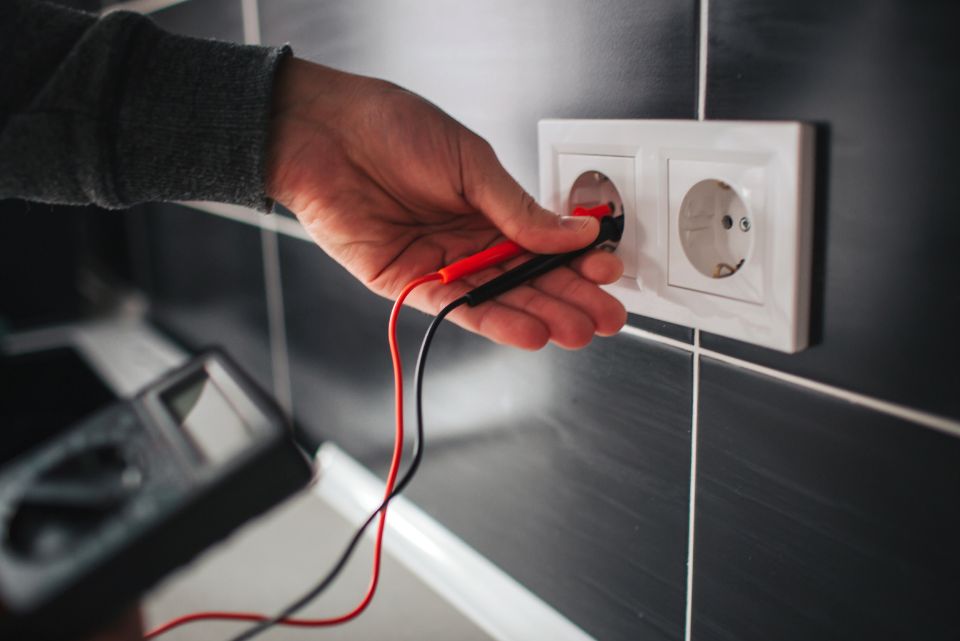
The primary reason for pursuing conformity certification is to prepare for compliance with the prescribed implementation timeline.
When businesses clearly understand which products are subject to regulatory requirements, purchasing, technical, and sales departments can coordinate their activities from the beginning.
A compliance plan should identify responsible personnel, priority product categories, expected timelines, and allocated budgets.
This structured approach helps prevent businesses from postponing all compliance activities until the deadline approaches while allowing sufficient time to address any necessary product modifications.
Electrical installation equipment is used frequently and may serve multiple members of a household.
Consumers generally cannot independently evaluate the quality of internal materials or product construction. Conformity certification provides an additional objective basis for assessing whether products meet applicable requirements.
However, electrical safety also depends on selecting appropriate technical specifications, ensuring proper installation, and carrying out regular maintenance.
Businesses should therefore combine product quality control with clear instructions regarding installation, operating limitations, and situations requiring equipment shutdown.
Preparing for conformity certification provides an opportunity to review the entire product development and manufacturing process.
Businesses can verify consistency between product designs, purchased components, assessed samples, and products manufactured for commercial distribution.
For example, when changing enclosure materials or contact component suppliers, technical departments should evaluate the potential impact on electrical safety.
A systematic change management process helps businesses maintain consistent product quality rather than focusing solely on the initial samples submitted for assessment.
Appropriate conformity certification documentation can help businesses demonstrate product quality to distributors, installation contractors, and customers.
Clear and transparent information enables business partners to inspect, select, and manage product supplies more effectively.
In marketing and communication activities, businesses should accurately present the certified products, certification scope, and validity period.
Transparent communication reflects professionalism and contributes to building long-term brand credibility.
When potential issues are identified before products are widely distributed, businesses have greater opportunities to adjust designs, components, or documentation under controlled conditions.
This is one of the practical benefits of preparing for conformity assessment early.
Conversely, defects discovered after products have entered distribution channels may result in additional expenses related to customer complaints, product returns, replacements, and coordination with multiple stakeholders.
Therefore, conformity assessment costs should be regarded as part of a broader investment in quality management.
Proactively implementing conformity certification under QCVN 25:2025/BKHCN enables businesses to align regulatory compliance responsibilities with their commercial objectives.
By starting with accurate product classification, reliable technical documentation, and an appropriate implementation plan, businesses can strengthen quality control, protect end users, and develop sustainable brand credibility.
If your company requires evaluation and certification services under QCVN 25:2025/BKHCN, please contact ISSQ Quality Institute via hotline +84 981851111 or email vienchatluong@issq.org.vn | tcvn@issq.org.vn for procedural assistance.


