
INSTITUTE FOR STANDARD AND QUALITY DEVELOPMENT STUDIES


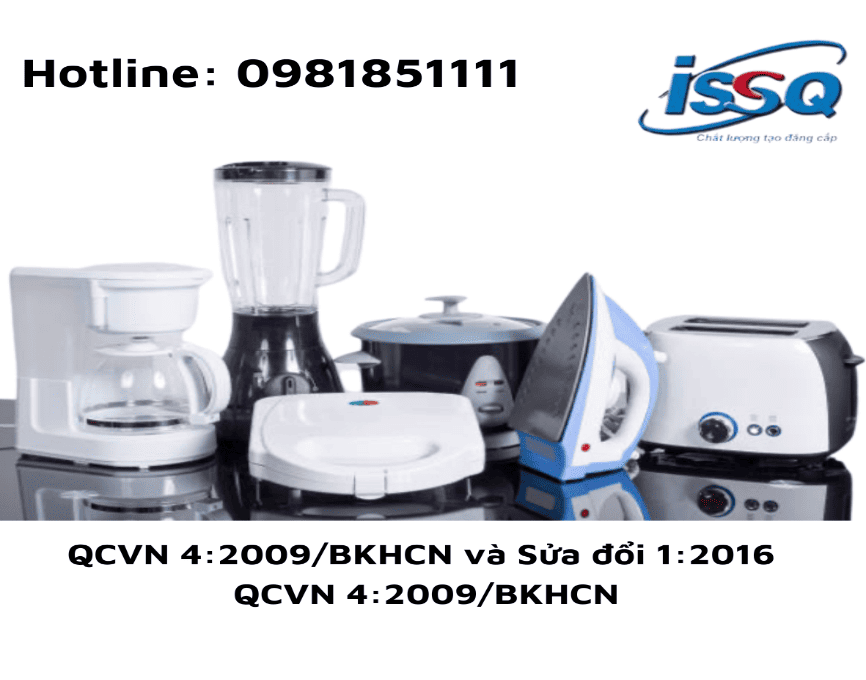
National Technical Regulation QCVN 4:2009/BKHCN specifies safety and management requirements for electrical and electronic equipment listed in the Appendix of this regulation.
This regulation applies to organizations and individuals involved in the manufacturing, importing, distributing, and retailing of regulated electrical and electronic equipment, as well as state management agencies and other relevant parties.
The rapid expansion of the electrical and electronic market provides modern conveniences, but it also introduces low-quality products with anonymous origins.
Using "floating" products—those without conformity certification or the CR Mark—poses significant safety risks, including short circuits, fires, and explosions, directly threatening the health and safety of users. According to Circular No. 01:2009/TT-BKHCN (dated March 20, 2009), electrical and electronic products are classified as Group 2 (products with the potential to cause unsafe conditions) and must have a Declaration of Conformity before being circulated on the market.
On September 30 of the same year, the National Technical Regulation on Safety for Electrical and Electronic Equipment was issued, applying to all entities manufacturing, importing, or trading these devices.
The regulation covers safety and management requirements for the following equipment:
Instantaneous water heaters
Storage water heaters
Hair dryers and other hair care appliances
Electric kettles
Rice cookers
Electric fans
Electric irons
Microwave ovens
Electric ovens and portable grills
PVC insulated cables (rated voltage up to 450/750V)
Electric immersion heaters
Tea or coffee makers
Hand dryers
Amendment 1:2016 QCVN 4:2009/BKHCN added safety and management requirements for low-voltage wires and cables.
Legal Compliance: Meets the quality management regulations of the Ministry of Science and Technology, providing a legal basis for market circulation and reducing legal risks.
Enhanced Quality & Safety: Improves product standards, ensures user safety, and increases competitiveness and revenue.
Brand Reputation: Certification proves the business follows state safety standards, enhancing brand identity and prestige in the market.
Operational Efficiency: Promotes clear management processes, improves internal performance, and reduces errors. It also facilitates access to international markets and foreign partnerships.
Method 5: Assessment of the production process and testing of typical samples (applicable to domestic manufacturers).
Method 7: Testing and assessment of specific batches/shipments (applicable to importers).
ISSQ Quality Institute is a prestigious certification body trusted by many clients for conformity certification, standard certification, and ISO management systems (ISO 9001, ISO 27001, ISO 20000, etc.).
Step 1: Receive the registration application.
Step 2: Sign the science and technology service contract.
Step 3: Conduct on-site surveys and assessments at the enterprise.
Step 4: Finalize the post-assessment dossier.
Step 5: Review the dossier and issue the certificate (if compliant).
Step 6: Conduct surveillance audits every 12 months.
Step 7: Re-certification assessment (certificates are valid for 3 years).
Note: After receiving the certificate, the enterprise must submit a Declaration of Conformity to the designated local Department of Science and Technology.
Declaration of Conformity (Form 2. CBHC/HQ, Appendix III of Circular 28/2012/TT-BKHCN).
Certified copy of the Product Certificate of Conformity and the CR mark sample issued by the certification body.
Certified copy of business registration documents (Business License, Investment Certificate, etc.).
Supplementary documents as requested by specialized agencies during the review.
ISSQ Quality Institute is always ready to accompany your business through integration and development.
Contact Information:
Hotline: 0981 85 1111
Email: vienchatluong@issq.org.vn | tcvn@issq.org.vn
Post Date: 04/10/2023


