
INSTITUTE FOR STANDARD AND QUALITY DEVELOPMENT STUDIES


SA 8000 is an international social accountability standard focusing on ensuring workers' rights and promoting a safe and fair working environment. The SA 8000 standard is applied globally to all types of organizations, regardless of size, geographical location, or industry sector.
Every organization or enterprise requires workers to operate effectively, and the number of employees varies depending on the scale of the organization. Therefore, to ensure the rights and interests of all workers involved in producing products and delivering services, the SA 8000 standard has received increasing attention.
Organization that developed the standard: Social Accountability International (SAI).
Date of issuance: The standard was first published in 1997 and has undergone four revisions in 2001, 2004, 2008, and 2014.
Foundation of the standard: Based on the United Nations Declaration of Human Rights, conventions of the International Labour Organization (ILO), and national labor laws.
Scope of application: Applicable worldwide to all types of organizations, regardless of size, geographic location, or field of operation.
Purpose:
SA 8000 was developed to provide a voluntary standard that can be used for assessment activities, based on:
The standard aims to:
To meet the requirements of SA 8000, organizations must implement and maintain an appropriate and effective management system to ensure compliance with the standard.

To successfully implement and apply SA 8000, organizations should clearly understand its requirements and clauses.
Organizations shall not employ child labor except in certain legally permitted circumstances, and must comply with applicable requirements and regulations.
Organizations shall not engage in or support the use of forced or compulsory labor, directly or indirectly. Original identity documents, wages, or personal property of workers shall not be retained to compel them to continue working.
Organizations must provide workers with a safe and healthy working environment as well as the necessary personal protective equipment. Regular health and safety training shall be provided to employees.
Workers have the right to establish, join, and organize trade unions of their own choosing and to bargain collectively with the organization through their representatives.
Organizations shall not engage in discrimination regarding recruitment, compensation, access to training, promotion, termination, or retirement based on personal characteristics unrelated to job performance. All forms of threats, abuse, exploitation, and physical or mental coercion in the workplace are prohibited.
Organizations shall not engage in or support corporal punishment, mental or physical coercion, or any form of harsh or inhumane treatment.
Organizations shall pay wages at least equal to the legal minimum wage. Wage deductions shall not be used as a disciplinary measure.
Organizations must establish and maintain a management system in accordance with the requirements of the standard.
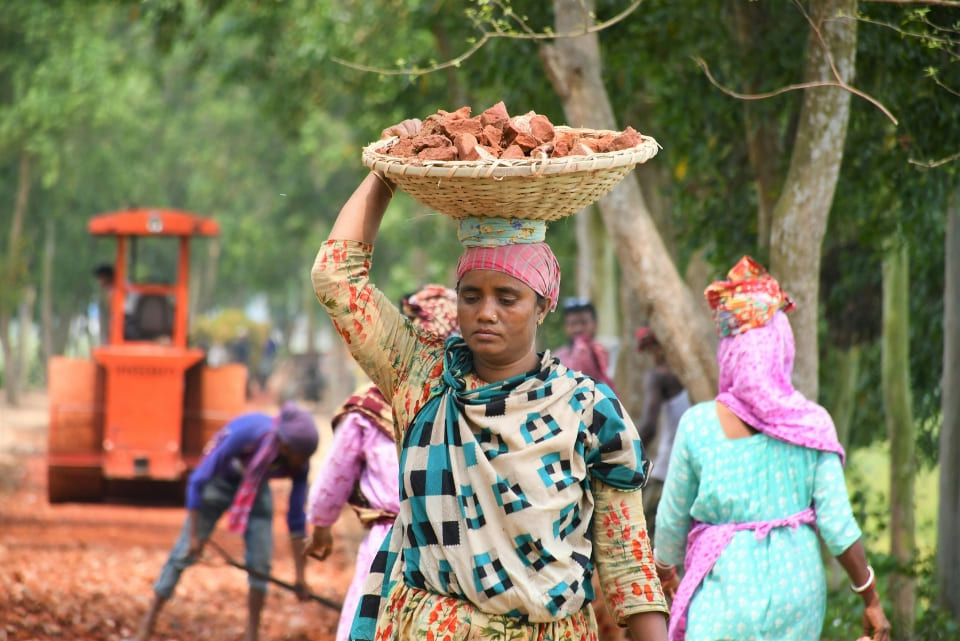
Implementing and achieving SA 8000 certification not only protects workers’ rights but also provides numerous benefits for organizations, including:
The above are some key points about the SA 8000 standard that organizations should learn about and consider to facilitate successful implementation.
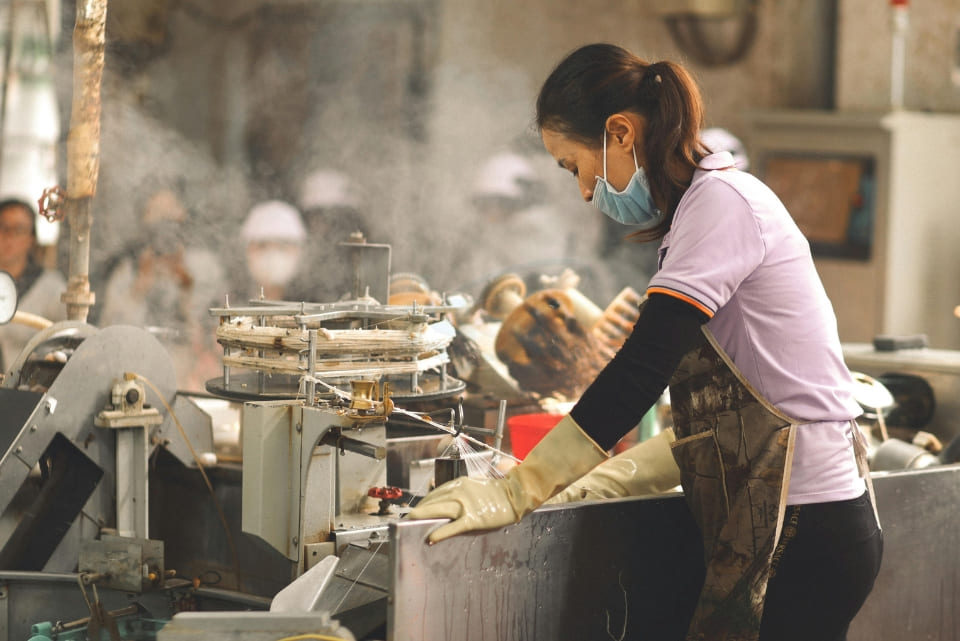
ISSQ Quality Institute is a competent organization for auditing and issuing SA 8000 certificates in accordance with the requirements of the standard and applicable regulations. With a team of experienced experts possessing extensive industry knowledge, ISSQ is always ready to provide consultation and support throughout the certification process.
ISSQ Quality Institute is committed to accompanying enterprises throughout their journey of integration and sustainable development.
For further information, please contact:
We are honored to serve our valued customers.
Publication Date: September 12, 2022


